

Would the ministry entrusted to you still help people trust and follow Jesus if you were no longer its leader tomorrow?
Primary Scriptures and translation
Primary Scriptures: Deuteronomy 31:1–13; 2 Timothy 2:1–7; 1 Corinthians 3:5–17
Supporting Scriptures: Psalm 78:1–8; 2 Timothy 4:1–8; Revelation 21:1–5
Introduction: The shade of a tree and tomorrow's seeds
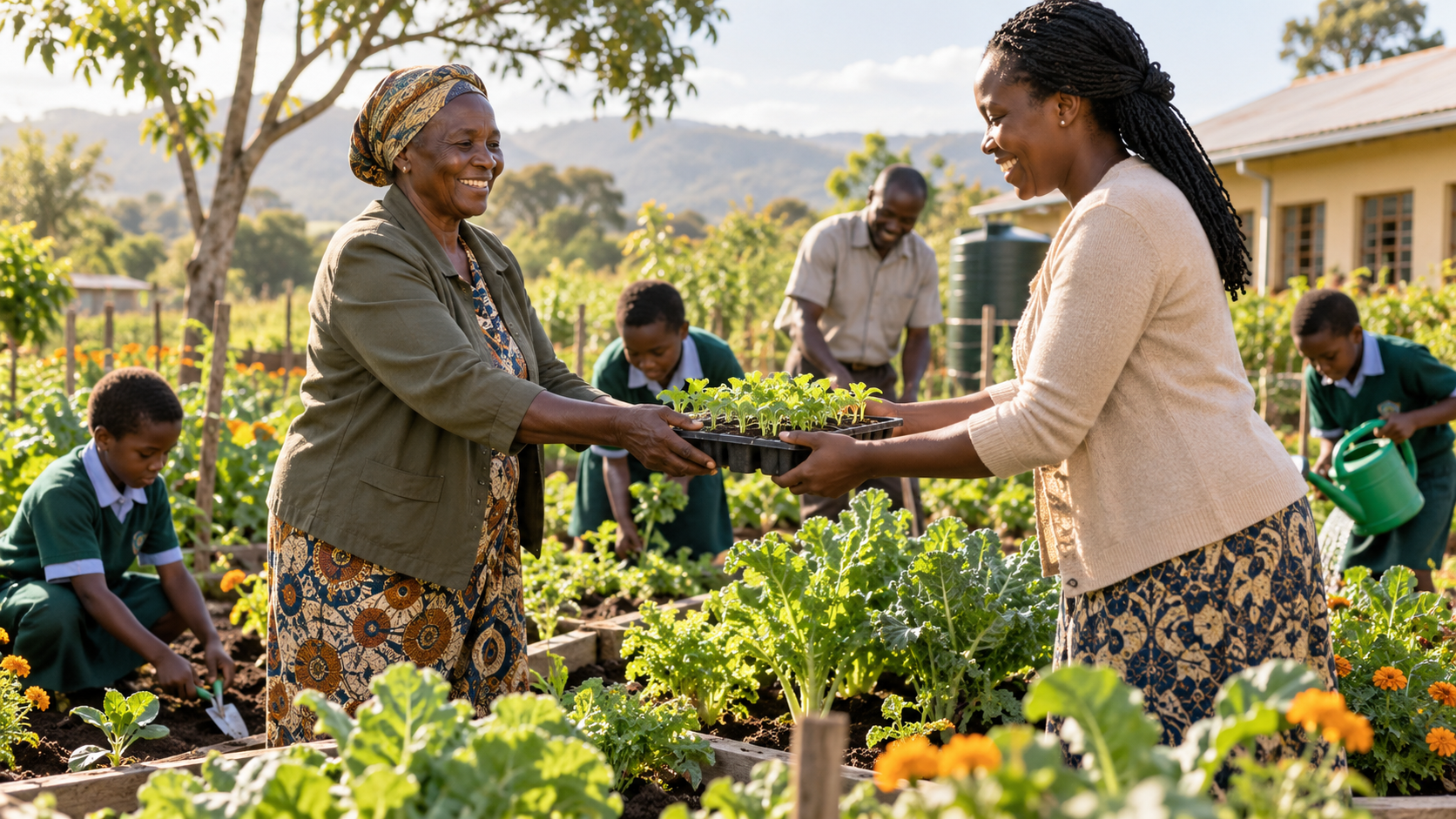
Consider this imagined story. A village teacher established a school garden that eventually provided fruit, shade, and a place to learn. But when he was transferred, everyone waited for his instructions. No one knew where to find seeds, repair an irrigation channel, or organize the weekly work.
The garden thrived; its caretakers were unprepared.
The same thing happens in churches, homes, schools, and organizations. A gifted leader produces visible results yet keeps every decision and relationship close. The leader’s name becomes inseparable from the mission. When that person leaves, memories remain but the capacity to continue does not.
In the previous article we explored empowering others to grow and lead. Now we ask the question that follows: What remains when the leader hands over responsibility? A Christian legacy is not a monument to an impressive personality. It is a pattern of truthful teaching, healthy relationships, wise structures, and growing people who can continue following Jesus and serving his world.
Parents, teachers, and community leaders face similar responsibilities. They prepare others to act wisely without constant supervision. The church, however, has a distinct calling under the risen Lord.
Listening to Scripture in context
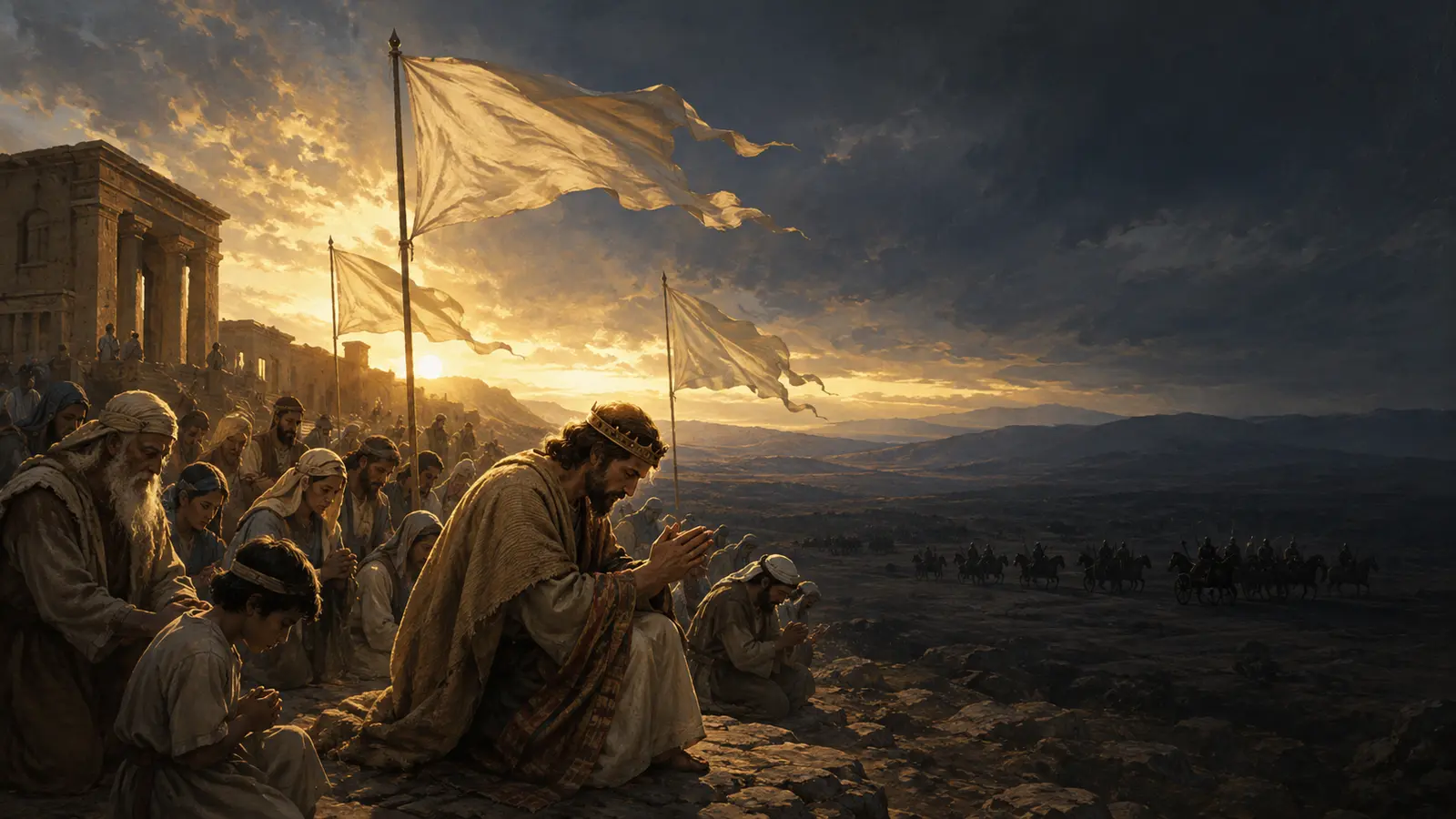
Deuteronomy 31:1–13 brings Israel to a turning point. Moses will not cross the Jordan. He commissions Joshua publicly, reminds Israel that God goes ahead of them, and provides for regular public reading of the law, including to children and foreigners. The legacy is more than a successor: it is a community remembering its covenant. This event belongs to Israel’s particular history, not a political template to copy directly today.
2 Timothy 2:1–7 addresses Timothy amid hardship and the need for faithful teaching. Paul begins with grace, then urges Timothy to entrust the gospel to reliable people able to teach others. He is multiplying witnesses to Jesus, not preserving his personal following. In chapter 4, Paul faces his approaching departure while urging Timothy to fulfill his calling.
1 Corinthians 3:5–17 challenges believers dividing around favorite teachers. Paul plants; Apollos waters; God gives growth. Christ alone is the church’s foundation, and the quality of each person’s building matters. Leaders have meaningful work, but servants must never replace the Lord of the harvest. Read 1 Corinthians 3 (NIV).
Are we forming people who depend on Christ or on our continued presence?
Lasting leadership begins by accepting that leaders are temporary
Moses did not diminish the value of his calling by handing responsibility to Joshua. He recognized the limits of his own season and directed Israel's confidence toward the God who would travel ahead of them. This is spiritual maturity: acknowledging that God's purposes extend beyond our particular years, abilities, and appointments.
A pastor may love a congregation yet fear being forgotten or seeing cherished practices changed. Such fears deserve honest, compassionate examination. When office becomes our identity, the people we serve may inherit the burden of proving we still matter.
Simon Sinek’s infinite mindset raises a useful question: Can our work outlast today’s victory? But organizational survival is not eternal life. Christian hope rests on Jesus’ resurrection and God’s promised renewal, not the permanent survival of a brand or building.
In churches and other institutions, this means preparing successors and sharing vital knowledge before a crisis forces the issue.
Ask yourself: If I stepped away for three months, which responsibilities would stall because I have kept them exclusively in my own hands?
The strongest legacy is people who can develop other people
There is a remarkable movement across generations in 2 Timothy 2:2: Paul teaches Timothy; Timothy entrusts the teaching to reliable people; those people become able to teach others. Reliability in this setting is not unquestioning obedience to a human leader. It includes faithfulness to the gospel and the ability to handle its teaching well.
John Maxwell places people development at the fourth of his Five Levels of Leadership. Today’s results do not guarantee tomorrow’s leaders. Yet the church must cultivate disciples with diverse gifts and biblical discernment, not copies of a senior pastor.
Imagine a youth leader inviting a young adult to guide a Bible discussion. They prepare together, then reflect afterward. The learner receives real responsibility, feedback, and freedom to ask questions—not an invitation to imitate without thinking.
Teachers and managers can do the same. Responsibility, however, must fit ability and training; development must never compromise safety.
Ask yourself: Are people growing in discernment and their ability to help others, or merely becoming more efficient at carrying out my instructions?
Pass on God's story, not merely the story of your achievements
Psalm 78:1–8 calls one generation to tell the next about God's deeds, so that children yet unborn may place their hope in him. The psalm does not simply praise the past. It also remembers Israel's failures, stubbornness, and forgetfulness. A truthful legacy passes on both the reasons for hope and the lessons learned from disobedience.
Here Simon Sinek's WHY, HOW, and WHAT framework can serve as a practical set of questions, provided Scripture governs our answers. WHY: We exist because the risen Christ has called us to bear witness to his kingdom. HOW: We embody that calling through truth, love, justice, accountable relationships, and care for people. WHAT: We teach, serve neighbors, make disciples, work for reconciliation, and protect those at risk. Programs can change while our allegiance to Jesus remains.
For instance, a congregation may move from relying entirely on large events toward smaller Bible-study communities that also support families in need. That is not the only faithful model; local circumstances differ. The decisive question is whether the approach serves the gospel and the people involved. Likewise, a school may update its teaching technology while keeping its commitment to truth, learning, and the dignity of every student.
Preserve memories without worshiping tradition. Record failures as well as achievements, so the next generation does not inherit the same mistakes.
Ask yourself: If our most popular program ended, could we still explain clearly why this ministry exists and whom it is called to serve?
Just systems are part of a legacy, not office paperwork
Training gifted people while leaving unjust systems untouched does not produce a healthy inheritance. In 1 Corinthians 3, Paul describes the church as God's building and the dwelling place of God's Spirit. People are not raw materials to be consumed for institutional expansion. No impressive result can justify practices that exploit or injure them.
A responsible legacy includes transparent finances, accessible decisions, limits on authority, safe reporting, independent investigation where appropriate, and safeguards for vulnerable people. It also allows rest and support: exhaustion is not proof of weak faith.
Church leaders have a particular responsibility to distinguish forgiveness, reconciliation, restored trust, and reinstatement to office. Forgiveness does not cancel an investigation. Reconciliation cannot be forced upon someone who has been harmed. Trust may need to be rebuilt over time, and returning someone to leadership requires a separate assessment of safety and suitability. Other institutions must apply corresponding professional standards and legal protections.
Maxwell’s emphasis on people development needs this gospel test: Are people safe, free to speak, and valued beyond their usefulness? An organization that silences harm leaves a damaged legacy.
Ask yourself: Can someone harmed under our authority report what happened without fearing the loss of support, livelihood, or safety?
Plant with hope, without claiming ownership of the harvest
Paul's language in 1 Corinthians 3 separates the servant's responsibility from God's life-giving work. The leader must plant and water faithfully, but no technique, budget, or inspirational speech can manufacture repentance, holiness, or the Spirit's presence. Spiritual growth must never become a scorecard determining someone's worth before God.
N. T. Wright explains that the church, through the Spirit, is called to model the new creation inaugurated in Jesus' resurrection. This brings worship into contact with justice, reconciliation, and service in the present world. Applying that theological vision to leadership, we might say that a worthy legacy appears not only in a prepared successor but also in safer communities, maturing disciples, neighbors treated justly, and young people learning to serve with courage and humility. That particular application is our synthesis, not a leadership framework we are attributing to Wright.
Revelation 21:1–5 gives us the horizon. God, not the church committee or its most gifted leader, will bring the promised renewal to completion. The kingdom has truly entered history in the crucified and risen Jesus, but its fullness still awaits us. We therefore refuse both despair and triumphalism. We do not create the kingdom through our institutions; by grace, we bear witness to it through faithful work today.
Leadership is measured by more than numbers or applause: truth, safety, discipleship, justice, and shared responsibility matter.
Ask yourself: When I look back over my leadership, do I chiefly remember the praise I received, or the people who became free to believe, heal, grow, and bless others?
A difficult question: Doesn't preparing a successor weaken the current leader?
Some fear that developing successors invites rivalry. This risk is real, but hoarding knowledge is no remedy. Clear processes for recognizing gifts, assessing character, training people, and sharing responsibility offer a healthier path.
Promise alone does not justify immediate authority. Consider character, competence, trust, and safeguarding. Serious allegations require proper protective measures and independent scrutiny before institutional reputation or succession plans.
Preparing a successor does not make a leader disposable; it recognizes that Christ owns his church.
Life Application
- Write down the purpose. In a few sentences, connect your work to Christ's mission, the formation of disciples, and the well-being of people. Invite others to question and improve the statement.
- Identify dangerous dependencies. List decisions, finances, information, and relationships controlled by one person; develop safe ways to share responsibility.
- Create a mentoring pathway. Recognize potential through integrity, teachability, and competence, not only closeness to those already in power.
- Preserve usable knowledge. Document essential procedures, lessons learned, and reasons behind important decisions while protecting confidential information.
- Build accountability into the structure. Establish financial reviews, independent complaint channels, and safeguards for children and other people at risk.
- Celebrate others' growth. Give emerging leaders proportionate authority, meaningful feedback, and opportunities to learn from mistakes that do not endanger others.
- Measure fruit more broadly. Consider honesty, safety, participation, discipleship, community welfare, and the ability to continue serving without dependence on one personality.
Weekly Exercise: A Map of Your Leadership Legacy
Goal: Identify one responsibility that can be handed over in a way that develops another person and protects the mission.
- Draw three columns: Purpose that must remain; Responsibilities that can be shared; Systems that need repair.
- Choose one task you currently hold alone. Identify the knowledge, authority, resources, and safeguards required to transfer it well.
- Meet with a potential learner and an accountability partner who has permission to ask difficult questions.
- Run a small, clearly bounded trial. Allow decisions within agreed limits, then offer respectful feedback.
- At week's end, review: Who has grown? Which risks have decreased? What needs to change before the next step?
Do not treat the protection of children, sensitive records, or allegations of harm as trial responsibilities to be handed over without appropriate professional arrangements.
Reflection and Discussion Questions
- How did Moses help Israel trust God rather than remain dependent on his own leadership?
- Why does Paul begin with grace before instructing Timothy to teach others?
- What separates making disciples of Jesus from cultivating personal followers of a leader?
- What is lost when an institution celebrates success but refuses to remember its failures?
- Which of our structures safeguard people who have the least power?
- Whose voices are missing when we prepare the next generation of leaders?
- How can we distinguish the Spirit's fruit from the growth of an organizational brand?
- What one step of mentoring, transferring responsibility, or repairing a system will I take this week?
Conclusion: When others inherit the garden
Return to the school garden. Once the teacher recognized the problem, he did not uproot the trees in disappointment. He gathered colleagues and students, showed them how the channels worked, explained the schedule, and taught them how to save seeds. The garden did not become less valuable when he left. It began to belong more fully to the learning community it was meant to serve.
So it is with leadership in God's kingdom. We are not called to become a great shadow from which nobody can emerge. We are called to plant, water, teach, protect, and, when the time comes, hand over responsibility, trusting God to continue his work beyond the reach of our years.
Prayer: Lord Jesus, keep us from building our names at the expense of your people. Give us humility to develop others, courage to repair harmful structures, and hope to entrust the harvest to you. May your Spirit make our work a faithful witness to your kingdom. Amen.
Bridge to the next article: Even careful preparation cannot remove all uncertainty. Transitions can bring fear, conflict, and grief. Next we will consider how leaders remain faithful when the road ahead is changing: A Better Leader – Faithfulness Through Seasons of Change.
References
- The Holy Bible, New International Version (NIV), Biblica. Deuteronomy 31; 2 Timothy 2; 2 Timothy 4; 1 Corinthians 3; Psalm 78; Revelation 21.
- John C. Maxwell. The 5 Levels of Leadership (2016); The Leadership Reproduction Cycle.
- Simon Sinek / The Optimism Company. The Golden Circle; Leadership in the Infinite Game: Live Q&A Recap.
- N. T. Wright. Beginning to Think About the New Creation, N. T. Wright Online.

Be the first to leave a comment.