


Where can purpose begin when your plans have fallen apart?
Key Scripture
How Christ's Grace Teaches Us to Live Meaningfully Even in Seasons of Exile
Jeremiah 29:1–14
When the Map of Life Falls Apart
Most people begin life with a map, even if they have never drawn it on paper.
“I will finish school. I will find a job. I will build a home. I will have a family. I will support my parents. I will become someone respected in my community.”
But life does not always follow the route we planned.
An accident occurs. An illness changes our ability to work. A marriage breaks down. A business fails. Someone we love dies. Imprisonment or a serious mistake changes the direction of many years.
Suddenly, the map we carried no longer shows where we are.
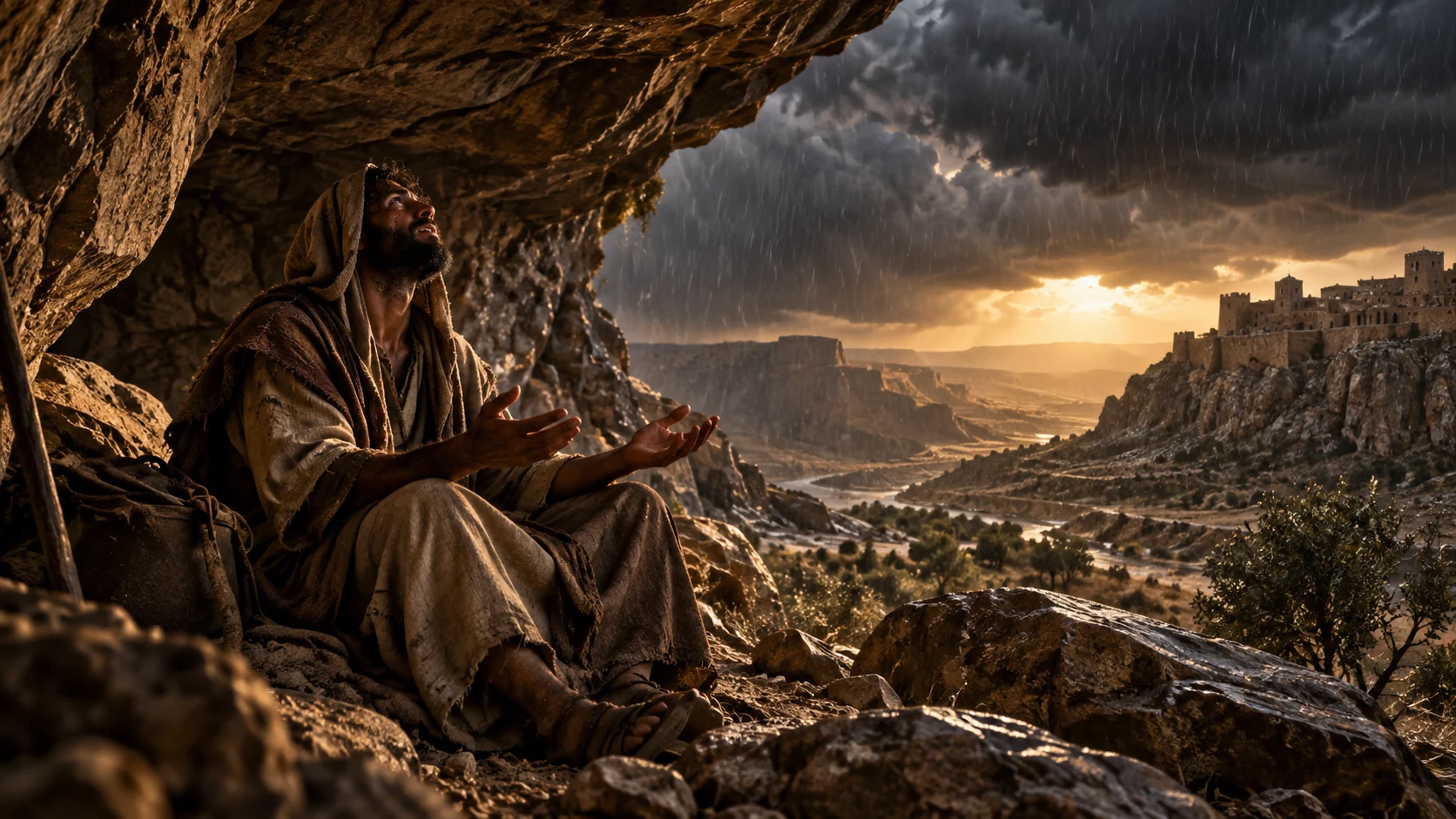
We begin asking: “After everything that has happened, can my life still have meaning? Can the lost years be recovered? Does God still have a purpose for me?”
In the previous article, we learned that healthy relationships require love, truth, and boundaries. Yet even when we find trustworthy people to walk alongside us, the question of purpose may remain.
We may have support without knowing where our lives are going.
This is where the message of Jeremiah 29 speaks to us.
God addressed people who had lost their homes, their land, and the lives they had known. They were living in Babylon, in exile, under circumstances they had not chosen.
God did not tell them to pretend that nothing had happened.
He called them to build, plant, live, pray, and seek the welfare of the place where they found themselves, even before they could return home.
One page of your life may be covered in ashes, but God has not closed the book. In Christ, the end of one chapter can become the beginning of a new sentence.
Jeremiah 29: Hope in the Middle of Babylon
Jeremiah 29:11 is one of the most beloved passages in Scripture.
We often read it when we need assurance that tomorrow can be better.
But to understand its meaning, we must first ask who received those words.
Jeremiah was writing to people from Judah who had been taken into exile in Babylon.
They were far from their homeland, living under foreign rule. Many had lost their homes, fields, social standing, and familiar patterns of worship.
In those circumstances, false prophets were promising that everything would soon return to normal.
But God's message through Jeremiah was different.
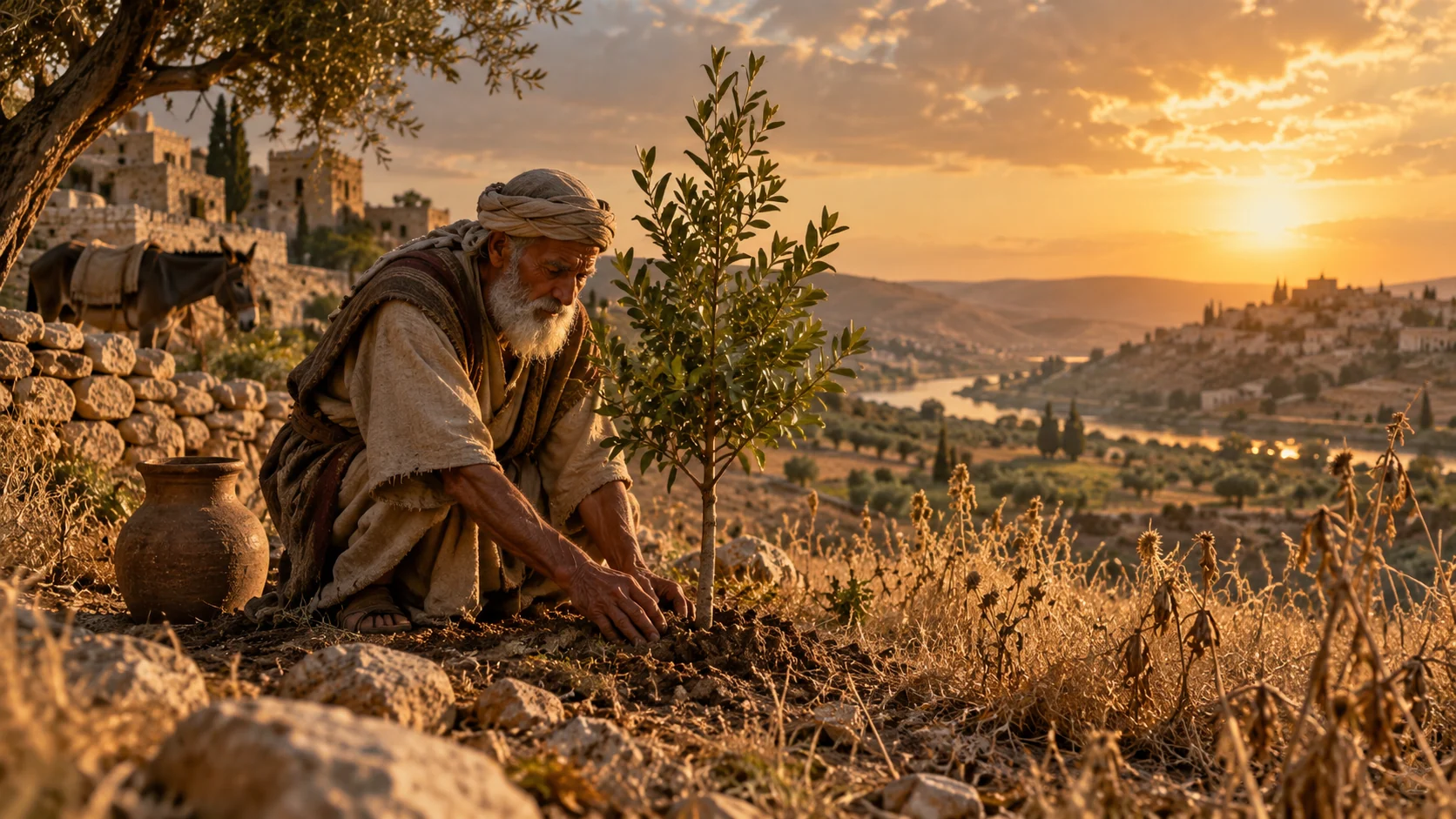
The people were to build houses and settle in them. They were to plant gardens and eat their produce. They were to establish and sustain families, seek the welfare of the city where they had been taken, and pray for it (Jeremiah 29:4–7).
God then explained that the Babylonian exile would continue for a long time before the promised restoration (Jeremiah 29:10–14).
This was hope that required patience.
God did not assure them that their suffering would end the next morning. Neither did he declare Babylon a good place or suggest that exile was painless.
He showed them that their lives could still be meaningful in a place where they did not want to be.
They still had responsibilities: living faithfully, sustaining families, working, and contributing to the well-being of their community.
Even in exile, they had not been excluded from God's purposes.
True hope does not require us to call painful circumstances good. It assures us that faithfulness to God remains possible even before those circumstances change.
Jeremiah 29:11: God Is Not Bound by Our Timetable
We must be careful not to turn Jeremiah 29:11 into a guarantee that every personal ambition will succeed.
The verse belongs to God's promise concerning the future of his covenant people living in exile.
It did not mean that every individual Jewish exile would personally return to the homeland, become wealthy, enjoy perfect health, or experience a life free from suffering.
Some would die in exile before the nation's restoration.
When we apply this passage to our lives today, therefore, we should not assume that every dream we cherish is a divine promise.
Instead, we encounter a larger truth: God remains faithful to his redemptive purpose even when his people have not yet seen its complete fulfillment.
Someone may trust God and still lose a job. They may pray and continue needing medical treatment. They may sincerely repent while their family requires years to rebuild trust.
Christian hope does not depend upon the success of every plan we make.
It rests upon God's faithfulness.
Yet waiting is difficult.
Sometimes we ask God to open a door now, but the door remains closed.
During such seasons, we need to remember that waiting is not the same as living without purpose.
The exiles in Babylon were told to plant gardens. Seeds do not bear fruit the day they are planted.
God's people needed to learn faithfulness in seasons they had not chosen.
We may need to learn the same lesson.
God has not promised to fulfill every dream according to our timetable. He has given us reason to remain faithful while living between promise and fulfillment.
From Exile to Jesus: Hope Greater Than Personal Success
Israel's story does not end in Babylon.
God brought some of his people back to their homeland. Yet geographical restoration did not fully resolve the deeper problems of sin, evil, and covenant unfaithfulness.
The prophets had announced a more profound deliverance: renewed hearts, forgiveness of sins, and the restoration of covenant fellowship with God (Jeremiah 31:31–34; Ezekiel 36:25–27).
In Jesus Christ, these promises begin to find their fulfillment in a remarkable way.
Jesus announces the arrival of God's kingdom. He welcomes the lost, forgives sinners, restores human dignity, and brings excluded people back into community.
But his way of establishing the kingdom does not follow the path of immediate political triumph or worldly glory.
It leads through the cross.
To human eyes, the cross looks like the end of hope. Jesus' disciples had expected great things from him, but his death seems to have buried their expectations (Luke 24:13–21).
Then, on the third day, God raises him from the dead.
The resurrection does not deny the reality of Jesus' suffering and death. It announces that death and evil do not possess ultimate authority over him.
For this reason, Christian hope is greater than recovering a job, building a house, or establishing a successful business.
These may be good things for which we pray and work. But God's ultimate purpose is to renew his creation and dwell among his people in a world made new (Romans 8:19–23; Revelation 21:1–5).
This is why Paul declares that faithful labor in the Lord is not in vain (1 Corinthians 15:58).
Jesus' resurrection teaches us that the meaning of our lives is not measured by today's achievements alone, but by our participation in God's work moving toward the new creation.
Purpose Is Not a Hidden Puzzle or a Platform for Fame
Some people live with a constant fear: “What if I miss God's purpose for my life?”
They imagine that God has hidden one particular job, city, or opportunity that they must discover. If they make one wrong decision, they believe their entire life has been ruined.
But Scripture gives us a broader foundation for understanding purpose.
We were created to know and love God, love our neighbors, act justly, love mercy, and walk humbly with him (Micah 6:8; Matthew 22:37–40).
In Christ, we have been created for good works (Ephesians 2:8–10), while the Holy Spirit shapes us into the likeness of Jesus (Romans 8:28–29).
Within that calling, there are many ways to serve God's kingdom.
A farmer may honor God through responsible care of the land and honest work. A teacher may participate in God's work by helping a child learn. A carpenter may make things that serve others. A healthcare worker may care for the vulnerable. A parent may shape a child's life through truth and love.
Someone rebuilding life after imprisonment may begin by keeping one promise, learning a practical skill, abandoning a destructive behavior, or assisting a neighbor.
Purpose does not necessarily require a platform before thousands of people.
It often begins wherever God has placed us today.
Small acts of faithful work may carry far more value than highly visible positions used for selfish gain.
Christian purpose is not becoming famous. It is becoming more like Christ and bringing blessing wherever we have been placed.
Broken Dreams Need to Be Grieved, Not Hidden
Whenever we speak about hope, we must resist the temptation to offer comforting words too quickly.
Someone loses a spouse and immediately hears, “Don't cry. God has a plan.”
Another person loses many years in prison and is told, “Just forget the past and start again.”
But not everything we lose can be restored exactly as it was.
Time has passed. Someone has died. A body has changed. A relationship has ended. An opportunity has disappeared.
Christian hope does not require us to pretend that these losses were unreal.
Jesus himself wept at the tomb of Lazarus (John 11:35). The Psalms give us language for bringing tears and unanswered questions before God.
We may say, “I wanted my life to turn out differently.”
That is not necessarily a failure of faith.
It is honest grief.
After acknowledging and mourning what has been lost, we can begin asking another question: “With what remains, how can I live faithfully now?”
That question does not erase the pain.
It creates room to continue.
And when someone loses the desire to live, speaks of life as meaningless, or experiences thoughts of self-harm, we should not simply tell them to have more hope. They deserve compassionate listening and prompt, appropriate support.
Hope does not oppose tears. It gives us a reason to keep walking even while those tears have not yet dried.
Three Planks of Wood: Purpose Begins with What Is in Your Hands
Consider the illustration of Baraka, a man who has recently left prison and dreams of establishing a successful carpentry business.
He imagines owning a workshop, equipment, and eventually employing others.
But he has almost no capital. His family does not yet trust him, and he cannot see how to begin.
He becomes discouraged.
One day, his mentor asks, “What do you have right now?”
Baraka takes stock: basic carpentry skills, a hammer, a saw, three planks of wood, and a friend willing to let him work in a small space behind his house.
His mentor encourages him to start there.
Baraka makes two chairs. He sells one, keeps part of the money for tools, and uses some to help with household needs.
He begins recording his income and expenses. He continues learning. He accepts small jobs.
Over time, people begin to see his reliability.
He has not yet opened the workshop he imagined. But he has already started living purposefully.
This illustration reminds us of something important: purpose does not begin only when everything is ready.
It may begin with one skill, one hour of work, a small amount of money, one person to help, or a modest opportunity to serve.
Jesus taught that faithfulness in small matters is significant (Luke 16:10).
We should not despise a small beginning merely because we cannot yet see large results.
Yet beginning small does not mean abandoning planning.
A dream says, “I want to become a carpenter.” A plan asks, “Where can I receive training? What tools will I need? What can I do this week?”
A dream says, “I want my family to trust me again.” A plan asks, “What one promise can I keep today?”
Do not despise the three planks you have because you do not yet own a workshop. They may be the beginning of your next faithful step.
Hope Needs Feet: Work, Goals, and Community
Someone with hope does not have to remain idle while waiting for life to begin.
They may pray and work. They may trust God and learn a new skill. They may anticipate future opportunities while carefully managing the small resources available today.
The Bible presents work as part of humanity's calling from creation (Genesis 2:15). Sin made work more difficult, but did not remove its value.
For this reason, modest, honest work is nothing to be ashamed of.
By contrast, shortcuts involving dishonesty, gambling, confusing loan arrangements, or promises of instant wealth may lead someone back into another kind of bondage.
Economic hope requires practical discipline: learning, maintaining records, planning expenses, saving where possible, repaying debts responsibly, and managing resources faithfully.
We also need achievable goals.
Rather than trying to change every aspect of life within a week, we can develop plans for the next thirty and ninety days.
During the first thirty days, someone might identify a skill to develop, find a mentor, begin training, or take steps to improve health and relationships.
Over ninety days, they can review progress, adjust the plan, and take on one additional responsibility.
We should also resist constantly comparing ourselves with other people's achievements. We may see their businesses, houses, or ministries without seeing the years of preparation, the assistance they received, or the mistakes they made.
And this journey should not be undertaken alone.
Wise people can help us recognize our abilities, challenge us when necessary, connect us with opportunities, and encourage us when we become weary.
In Philippians 1:3–11, Paul recognizes God's continuing work within the community of believers. Spiritual growth and purposeful living are not merely individual projects.
Hope gives us a horizon. Purpose gives us direction. Daily faithfulness gives us steps to take.
Summary of the Biblical Journey: God Has Not Closed the Book
Jeremiah 29 teaches us that God's people can continue living with purpose even under circumstances they did not choose.
Israel was in Babylon, yet God called the exiles to build, plant, pray, and seek the welfare of their community while awaiting the restoration he had promised.
In Jesus Christ, we discover hope greater than returning to a homeland or succeeding in personal projects. Through the cross and resurrection, God has inaugurated his work of new creation.
Our purpose today is to participate in that work by loving God, serving others, practicing justice, and working faithfully.
We cannot recover everything we have lost. Neither can we guarantee that every dream will come true.
But we can grieve honestly, recognize what remains, and begin again through manageable steps.
God may still be at work within us even when our progress seems small.
Your purpose does not have to wait for perfect circumstances. It can begin today with what remains in your hands.
Life Application: Begin Again Through Small Steps
- Acknowledge your present circumstances. Write honestly about where you are, what has been lost, and what requires attention.
- Make room for grief. Name your pain and broken dreams. Find someone safe who can listen.
- Identify your “three planks.” List the skills, time, tools, relationships, and opportunities currently available to you.
- Choose one thirty-day goal. Make it specific, realistic, and connected to one step you can take this week.
- Develop a ninety-day direction. Find a mentor, record progress, review your plan, and adjust it without condemning yourself.
- Do not use spiritual promises as a reason to abandon medical care, neglect responsibilities, or enter risky schemes promising quick wealth.
Questions for Reflection
- What broken dream do I still need to grieve honestly?
- What are the “three planks”—a skill, time, person, or opportunity—that I have been overlooking because they do not yet resemble a complete workshop?
- What one faithful action can I take this week to live purposefully where I am?
A Prayer for the Journey
Heavenly Father,
I bring before you my broken dreams, the years I thought were lost, and the questions that remain unanswered.
You know the things that will never return exactly as they were, and you understand the pain I carry.
Give me courage to grieve without losing hope.
Lord Jesus, through your cross and resurrection, you have opened the way to new life. Teach me that my worth is not measured by the achievements I have gained or the opportunities I have lost.
Holy Spirit, show me what is available to me today. Help me recognize the gifts, people, and opportunities to serve that I have been overlooking.
Give me humility to begin small, discipline to continue, and wisdom to reject destructive shortcuts.
While I wait for doors to open, teach me to plant seeds of faithfulness wherever I am.
When I grow weary, connect me with safe people who can help me stand again.
Today I choose hope instead of despair, faithfulness instead of passive waiting, and purpose instead of comparison.
In the name of Jesus Christ. Amen.
A Window into the Next Article
Article 11: From the Margins into God's Family — Healing Loneliness and Isolation
Hope gives us a horizon. Purpose gives us direction. But we were never called to walk toward that horizon alone.
Someone may have goals and still feel that no one sees, hears, or needs them.
In the next article, we will explore Psalm 68:4–6 and discover how God welcomes the lonely into his family, and how we can begin building healthy, safe, and trustworthy relationships.
Read the next article: From the Margins into God's Family: Healing Loneliness and Isolation
Sources and References
- Mwakalindile, Enos. Kutembea Katika Uhuru: Safari ya Urejesho wa Maisha Katika Kristo [Walking in Freedom: A Journey of Restoration in Christ]. First edition, 2026. Chapter 10: Hope and Purpose.
- The Holy Bible: Genesis 2:15; Jeremiah 29:1–14; 31:31–34; Ezekiel 36:25–27; Micah 6:8; Psalms 13; 68:4–6; Matthew 22:37–40; Luke 16:10; 24:13–35; John 11:35; Romans 8:19–29; 1 Corinthians 15:20–23, 58; Ephesians 2:8–10; Philippians 1:3–11; Revelation 21:1–5.
Be the first to leave a comment.