

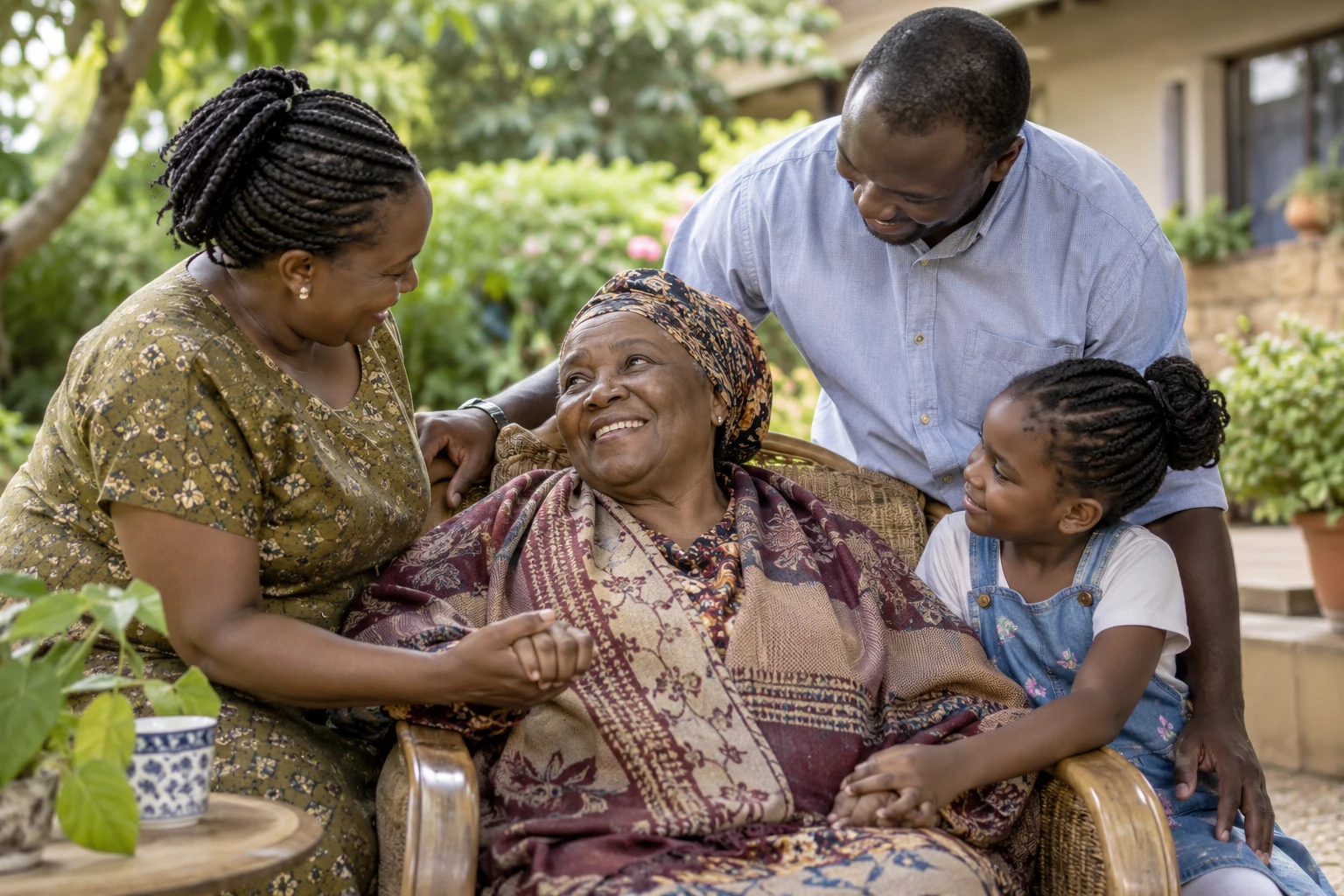
Who has the final word about your life: your past or Christ?
Key Scripture
Identity in Christ — From Yesterday's Shame to the Life of New Creation
2 Corinthians 5:14–21
The Names We Are Given and the Names We Carry
Everyone has a name.
There is the name we receive at birth. It is written on our birth certificate, spoken at home, recorded at school, and used in the ordinary business of life.
But there are other names that never appear on any official document. They are not written on paper. They are written on the heart.
A child repeatedly told that he is not intelligent may grow up believing he will never succeed. A woman who has experienced rejection may begin to believe she is unworthy of love. Someone released from prison may be legally free yet continue identifying himself by the offense that once brought him there.
Another person loses a business and begins calling himself a failure. Someone watches a marriage fall apart and concludes that life itself has been ruined. Another carries the weight of serious mistakes and comes to believe that nothing good can ever emerge from the future.
The danger lies not merely in hearing these names. It lies in hearing them so often that we begin to believe them.
And eventually, we begin living according to what we believe about ourselves.
Someone convinced that they are worthless may stop trying. A person who believes change is impossible may stop seeking help. Someone who sees rejection as their permanent destiny may turn away from love even when it arrives.
That is why our journey toward freedom begins with a fundamental question:
Who has the final authority to tell you who you are?
Is it your family? Your community? Your history? Your mistakes? Or the God who created you and calls you into new life through Jesus Christ?
Before Your Mistakes, There Was God's Purpose
If we want to understand human identity, we should not begin with humanity's fall. We must return to the beginning of the biblical story.
Genesis 1:26–28 introduces human beings as creatures made in God's image.
Before sin, before shame, before blame, and before hiding, humanity was given dignity and purpose.
Being made in God's image is not simply about resembling God in physical appearance. It means we were created to represent him within his world.
Humanity was entrusted with caring for creation, nurturing life, and reflecting the wisdom, justice, and love of the Creator.
Therefore, the original identity of a human being is not criminal, failure, poor, or rejected.
It is a creature made in the image of God.
But Genesis 3 shows how sin disrupted human life. When Adam and Eve rejected God's wisdom, shame entered their experience. They hid. They blamed one another. Their relationship with God, with each other, and with the world entrusted to them was damaged.
Yet notice something remarkable.
God did not simply erase them from his story.
He came looking for them.
Their sin was real, and its consequences were serious. But God had not abandoned his purpose to redeem humanity and restore his creation.
We must therefore hold two truths together:
Sin causes real harm. But sin does not erase the dignity of a human being created in God's image.
This does not minimize wrongdoing. It means that when we confront our failures, we need not condemn ourselves as though redemption were impossible.
You may need to say, “I did something wrong.”
But you do not have to conclude, “I am a mistake beyond redemption.”
Those are two very different statements.
In Christ: God Begins a New Chapter of Life
When the apostle Paul writes 2 Corinthians 5:14–21, he is not addressing people who have never experienced trouble.
The church in Corinth knew division, conflict, pride, and serious questions about how to live as God's people.
Yet Paul directs their attention toward what God has accomplished through Christ.
In verse 17, he announces that anyone who belongs to Christ has entered the reality of new creation.
What does that mean?
Paul is not claiming that every memory disappears when someone believes in Jesus. He is not suggesting that all the consequences of earlier choices vanish immediately. Nor does he promise that life's struggles end on the day of conversion.
Instead, he is saying that the believer is now united with Christ—the one who died and rose again.
Through Jesus' death and resurrection, God has inaugurated a new creation. Those who belong to Christ now participate in that new life.
This is not a project of applying a fresh coat of paint to a collapsing house.
It is God's work of rebuilding from the foundation upward.
Imagine someone who has repeatedly misused the family finances. When that person repents and turns to Christ, faith does not automatically cancel the debts that have accumulated. Family members may remain cautious. Rebuilding trust may take considerable time.
But that person can begin living differently.
They can acknowledge wrongdoing without excuses, make a responsible plan to repay what is owed, handle money honestly, and learn to keep promises.
This is where new life begins to take visible shape.
Our new identity in Christ does not conceal the truth about our past. It gives us the courage to face that truth without allowing shame to rule our lives.
Here we discover the difference between grace and excuses.
Excuses attempt to hide wrongdoing. Grace enables us to acknowledge it, accept responsibility, and begin again.
Chosen in Christ: God Welcomes Us into a New Family
In Ephesians 1:3–14, Paul describes God's purpose to bless and gather his people in Christ.
A phrase runs throughout the passage: in Christ.
That phrase matters.
When we read that God chose us before the foundation of the world, we should hear those words within the larger biblical story of God's saving purpose.
God called Abraham and promised that through him all the families of the earth would be blessed (Genesis 12:1–3).
God chose Israel, not because Israel was greater or more impressive than other nations, but because of his love and covenant faithfulness (Deuteronomy 7:7–8).
Then Jesus came as Israel's Messiah and Abraham's descendant. Through his faithfulness, death, and resurrection, God opened the way for people from many nations and backgrounds to become members of his family.
Being chosen in Christ, therefore, is not a reason to look down on others.
It is a reason to give thanks and serve them.
We have not been called to congratulate ourselves on being better than everyone else. We have been called to reflect the character of Jesus through love, holiness, justice, and service.
This carries special significance for someone who has experienced rejection.
Perhaps the community continues to see that person through the lens of earlier mistakes. Perhaps family members still struggle to trust them. But in Christ, that person can become part of a community that learns to receive people with grace while helping them grow in truth.
When the church is faithful to this calling, it becomes a place where wounded people can begin learning what it means to belong to a family again.
From Pharaoh's Slavery to the Father's Family
Long before Paul described believers as God's children in Romans 8, Scripture had already revealed this remarkable truth in the story of Israel's deliverance from Egypt.
While the Israelites were still enslaved, God instructed Moses to tell Pharaoh:
“Israel is my firstborn son.” — Exodus 4:22
Pharaoh saw the Israelites as slaves whose purpose was to serve him. But God saw them as his son—a people bound to him by covenant.
Their liberation did not give them their worth. God delivered them because they already mattered to him.
And when God brought them out of Egypt, he did not simply transfer them from one form of bondage to another. He brought them to himself (Exodus 19:4).
In the Wilderness: A Father Teaches His Children to Walk
Crossing the Red Sea marked the beginning of Israel's freedom. But in the wilderness, the people had to learn what it meant to live as those who had been redeemed.
When food was scarce, they became afraid. When difficulties arose, they longed to return to Egypt. Yet God continued to provide for them, guide them, and teach them to trust him.
Moses later reminded Israel that God had carried them through the wilderness as a father carries his son (Deuteronomy 1:31).
The prophet Hosea offers an even more tender picture: God as a father teaching his child to walk, taking him by the arms and drawing him with cords of love (Hosea 11:1–4).
God also corrected and disciplined his people when they went astray (Deuteronomy 8:5). But his discipline was not intended to drive them back into Pharaoh's fear. It was meant to shape them into a faithful covenant people.
God did not bring Israel out of Egypt merely to become another Pharaoh whom they would fear. He brought them to himself so they could learn to trust, love, and obey him as a Father whose authority is marked by justice and mercy.
In Christ: The Freedom of Becoming God's Children
This story finds its fulfillment in Jesus Christ, the Son of God and Israel's Messiah. Through his life, death, and resurrection, God opens his family to people from every nation.
Romans 8:14–17 explains that those led by the Spirit of God are God's children. We have not received a spirit of slavery that takes us back into fear. Instead, we have received the Spirit who enables us to call God, “Abba, Father.”
Galatians 4:4–7 connects this new relationship directly to the redemption accomplished through Christ.
Christian freedom, therefore, means more than being released from the condemnation of sin. It means being restored to a loving relationship with God.
For those whose experiences with earthly fathers have been marked by pain, neglect, or rejection, God's fatherhood does not excuse such suffering. Rather, it reveals what genuine fatherly love looks like—a love that cares, protects, guides, and corrects with justice.
In Luke 15:11–32, Jesus gives us a beautiful picture of a father welcoming his lost son home. The father does not deny his son's wrongdoing. But neither does he allow those mistakes to become his son's permanent identity.
Israel was delivered from Egypt to live as God's covenant people. Through Christ, we are redeemed to live as beloved children of our heavenly Father.
Christian obedience is not an attempt to earn a place in God's family. It is the response of children who have been redeemed, loved, and are learning to walk with their Father.
A New Identity Does Not Remove Responsibility
There is something here that we must not overlook.
When someone says, “I am a new creation,” it does not mean that everyone must immediately trust them.
Being in Christ does not automatically eliminate debts, legal obligations, family responsibilities, or the harm others have experienced.
Neither does it mean that someone who has been wounded must already be healed.
Grace does not teach us to run away from reality. It teaches us to face reality with hope.
Romans 8:1 announces that there is no condemnation for those who are in Christ Jesus. Yet Paul also calls believers to put away their old behavior and clothe themselves with compassion, kindness, humility, forgiveness, and love (Colossians 3:9–14).
A new identity, therefore, must bear fruit in a new way of living.
Someone who says they have changed learns to demonstrate that change through faithfulness in ordinary life.
They begin keeping small promises. They admit when they are wrong. They treat others with respect. They work diligently. They become willing to receive help and correction.
And when they stumble, they do not return to hiding beneath their old identity. They return to truth, repentance, and grace.
Here is something worth remembering:
Your history is part of your life, but it does not have to become the master of your life.
From Receiving Forgiveness to Becoming an Ambassador of Reconciliation
In 2 Corinthians 5:18–20, Paul takes his argument a step further.
God has reconciled us to himself through Christ and entrusted us with the ministry of reconciliation.
Our new identity, therefore, is not simply about feeling better about ourselves.
It sends us toward others.
Those who have received forgiveness are called to learn to forgive. Those who have experienced mercy are called to show mercy. Those who have learned to speak the truth are called to live honestly.
Paul describes believers as Christ's ambassadors.
An ambassador does not represent himself alone. He represents the one who sent him.
This changes the way we understand our history.
A place where you once failed may become a source of humility. The pain you have experienced may help you become more compassionate. The restoration you have received may equip you to walk alongside someone else who is struggling to find a way forward.
But we must understand this carefully.
We are not called to turn our testimonies into occasions for self-promotion or to use spiritual language to conceal harm we have caused. We are called to live truthfully, accept responsibility, and demonstrate Christ's love through our actions.
God can write a new chapter of your life without denying the truth of earlier chapters.
And that new chapter can become a blessing to others.
Summary of the Biblical Journey: God Has the Final Word
The biblical understanding of human identity begins with creation. Humanity was made in God's image and entrusted with dignity, responsibility, and purpose. Sin damaged relationships and introduced shame, blame, and hiding, but it did not entirely erase human worth before the Creator.
In 2 Corinthians 5:14–21, Paul reveals that through Jesus' death and resurrection, God has inaugurated new creation. Being in Christ does not mean that our history has been erased or that the consequences of our mistakes have disappeared. It means our lives now have a new foundation in Christ, and we are called to participate in his work of reconciliation.
Ephesians 1 shows God's purpose to gather a family in Christ that reflects his love. Romans 8 reminds us that the Holy Spirit makes us God's children rather than slaves of fear.
A new identity, therefore, does not remove accountability. It enables us to acknowledge wrongdoing, make amends, rebuild trust, and serve others.
Your mistakes may form part of your story. Your wounds may help explain the challenges you face. But in Christ, neither has the final authority to determine what your life can become.
God calls you to live as someone who has received grace, is being renewed, and is being sent to bless others.
Life Application: Begin Living According to Your New Identity
- The journey of embracing your identity in Christ can begin with five practical steps:
- Identify the name that keeps you captive. Write down a word or statement that has shaped the way you see yourself: “I am worthless,” “I will never change,” or “I always fail.”
- Separate the label from the truth. Ask whether that statement describes a particular experience or whether you have allowed it to define your entire life.
- Listen to Scripture. Read 2 Corinthians 5:17, Romans 8:1, Romans 8:14–17, and Ephesians 1:3–8. Reflect on what God has accomplished in Christ.
- Talk with a trustworthy person. Share one burden with someone who will listen respectfully and offer wise support.
- Take one step consistent with your new identity. Keep a promise, offer an appropriate apology, work honestly, seek counsel, or show kindness to someone.
- Do not wait until you feel completely transformed. Begin practicing faithfulness in something small that you can do today.
- Remember: Being in Christ does not mean that you will never experience sadness, fear, or emotional wounds. The journey of restoration may require professional counseling, medical treatment, time, and relationships marked by safety and respect. Seeking appropriate help is not a sign of spiritual failure.
Questions for Reflection
- What old name or label continues to influence how you see yourself?
- What is the difference between acknowledging that you did something wrong and believing that your wrongdoing permanently defines you?
- What practical step will you take this week to live in a way that reflects your identity in Christ?
A Prayer for the Journey
Heavenly Father,
You are the one who created me in your image. You know my history, my mistakes, my wounds, and the words I have heard so often that I have begun to believe them.
Today, I come before you without hiding.
Help me acknowledge the truth about my past without allowing shame to become the master of my life. Give me courage to confess my wrongs, accept responsibility for my actions, and make amends wherever possible.
Lord Jesus Christ, thank you for opening the way to new life through your death and resurrection.
Holy Spirit, teach me to live as a child of God. Free me from the fear that holds back my growth. Cultivate within me a heart of truth, compassion, humility, and love.
Help me no longer to identify myself by the name of my mistakes, but to live faithfully within the calling you have given me in Christ.
May my life become a testimony to your grace and a blessing to others.
In the name of Jesus Christ. Amen.
A Window into the Next Article
Article 02: The Road Back Home — Repentance, Forgiveness, and a New Beginning
Knowing who you are in Christ opens another important question.
What should we do with the guilt of things we have done?
Do we run from it? Hide it? Make excuses? Or bring it before the God whose grace does not teach us to conceal sin, but to repent and begin again?
In the next article, we will walk alongside the lost son in Luke 15—from the distant country, through his decision to return, and finally into the arms of the father who welcomes him home.
Read the next article: The Road Back Home: Repentance, Forgiveness, and a New Beginning
Sources and References
- Mwakalindile, Enos. Kutembea Katika Uhuru: Safari ya Urejesho wa Maisha Katika Kristo [Walking in Freedom: A Journey of Restoration in Christ]. First edition, 2026. Chapter 1: Identity in Christ.
- The Holy Bible: Genesis 1:26–28; Genesis 3; Genesis 12:1–3; Exodus 4:22–23; Exodus 19:4; Deuteronomy 1:31; 7:7–8; 8:5; Hosea 11:1–4; Luke 15:11–32; Romans 8:1, 14–17; 2 Corinthians 5:14–21; Galatians 4:4–7; Ephesians 1:3–14; Colossians 3:9–14.

Be the first to leave a comment.