


How will you live tomorrow in light of the truth received on this journey?
Key Scripture
The Book May Close, but the New Life We Have Received in Christ Continues to Unfold
Galatians 5:1
The Book Closes, but the Road Continues
There is something meaningful about reaching the final page of a book that has touched your life.
You may turn back through its pages, remembering the questions that made you stop and think and the words that encouraged you when you were exhausted.
Perhaps you recognized yourself in the story of someone carrying emotional wounds.
Perhaps you discovered that your anger had been concealing pain you had never addressed.
Maybe the discussion of addiction helped you recognize a cycle you had been repeating for years.
Or perhaps the article on hope encouraged you to believe that your life can still have meaning.
Now you have reached the end.
But tomorrow morning, life will continue.
The phone will ring. Children will need food. Work will be waiting. Debts will not disappear simply because you have finished reading.
You may encounter someone you have been struggling to forgive.
An old temptation may return.
Perhaps you will need to continue medical treatment, resolve documentation problems, look for employment, or rebuild trust with a family that is still hurting.
In those circumstances, the question will no longer be merely, “What have I learned from these articles?”
It will be:
“How will I live tomorrow in the light of the truth I have received today?”
That is where the real journey continues.
For the freedom Christ gives is not simply the emotion of a single religious gathering, a promise made through tears, or a victory on one day that never needs to be revisited.
It is a new life learning to walk—sometimes with confident steps, sometimes with trembling feet, but with a renewed direction.
And that direction is Jesus Christ.
Freedom Begins with Christ, Not with Our Ability
In Galatians 5:1, Paul reminds believers that Christ has set them free and calls them not to return to a yoke of slavery.
In context, Paul was challenging the belief that people must depend upon requirements associated with the Mosaic law—particularly circumcision as a supposed necessity for salvation—in order to be accepted as members of God's family.
His message was clear.
Salvation is the gift of God's grace in Jesus Christ, received through faith.
But this freedom was not permission to live without concern for what is good and right.
Later in the chapter, Paul explains that Christian freedom should become visible through love and a life guided by the Holy Spirit (Galatians 5:13–25).
Here we find the foundation of this entire series.
We cannot rescue ourselves from the power of sin simply by making enough promises.
We cannot erase history by denying it.
We cannot heal every wound by covering it with religious words.
And we cannot construct a new life through discipline alone.
But in Christ we have a new foundation from which to begin.
His cross reveals the seriousness of sin, proclaims the depth of God's love, and opens the way for forgiveness and repentance.
His resurrection announces that sin and death do not possess ultimate authority.
The Holy Spirit calls us into lives shaped by truth, love, and self-control.
This is freedom we do not purchase for ourselves.
We receive it and then learn to walk in it.
Our freedom does not begin with the strength of the promises we make to God. It begins with the faithfulness of Christ, who came to redeem us.
What Have We Learned Through These Fourteen Articles?
We began this journey with a question beneath many other questions:
Who am I?
We discovered that our identity cannot be fully defined by a mistake, imprisonment, divorce, illness, family history, or the judgments of others.
Human beings are created in God's image, and in Christ we are called into new life.
Next, we confronted guilt and shame.
We learned that genuine repentance does not flee from truth. It acknowledges wrongdoing, accepts responsibility, and returns to the God who has opened the way for forgiveness.
When we entered the subject of emotional wounds, we discovered that God does not ask us to pretend we have never been hurt.
We can grieve, seek help, establish boundaries, and pursue healing without denying what happened.
When we explored anger, bitterness, and resentment, we recognized that seeking justice is not the same as surrendering ourselves to revenge.
When we faced fear of dark spiritual powers, we learned to look toward the victorious Christ rather than imagining witchcraft behind every illness, dream, or difficulty.
In our discussion of anxiety, fear, and depression, we learned to pray honestly, examine our thoughts, care for our bodies, and recognize that professional healthcare is not opposed to faith.
Through spiritual disciplines, we discovered that Scripture, prayer, Sabbath rest, fellowship, and service do not purchase God's love. They help us grow within the grace he has already given.
When we examined addiction and temptation, we learned that a craving does not have to become a command. The way out may involve changing environments, telling the truth early, counseling, treatment, and receiving help from trustworthy people.
We learned to develop healthy relationships by distinguishing forgiveness, reconciliation, trust, and closeness.
We discovered that purpose does not necessarily require a grand public platform. It may begin with what is already in our hands—a skill, a small step, an honest day's work, or help offered to a neighbor.
In loneliness, we encountered the God who welcomes excluded people into his family.
In preparation for reentering society, we learned that faith must also attend to safe housing, documentation, health, employment, responsible finances, and supportive relationships.
Through community and accountability, we discovered the difference between a cord of grace and a chain of control.
Finally, as we lifted our eyes toward resurrection and new creation, we recognized that tomorrow's hope gives us reason to practice justice and faithfulness today.
These subjects may appear different.
Yet they meet in one central truth:
Jesus Christ redeems us from the masters that enslave us so that we may belong to God, live in love, and become a blessing to others.
Do Not Wait Until You Are Perfect Before Continuing
One danger can emerge after completing a series like this.
Someone may ask, “Have I now overcome every struggle? Have I completely moved beyond anger, fear, addiction, and all my former mistakes?”
If they are still struggling, they may conclude that they have failed.
Yet in Philippians 3:12–16, Paul acknowledges that he has not already reached perfection. He continues pressing forward.
Paul is not excusing wrongdoing or rejecting responsibility.
He is recognizing that following Christ involves continuing growth.
Even someone who has learned many lessons still needs correction.
Someone who has experienced healing in one area may need deeper support in another.
A person making progress in addiction recovery may face renewed temptation.
Someone who has forgiven may discover that further emotional healing is needed.
And someone rebuilding family trust may encounter people who are not yet ready to trust again.
These experiences do not automatically mean that previous progress was meaningless.
But neither should ongoing harm be dismissed.
Growth requires honesty.
We can say, “I have made progress here, but I still need help in this area.”
And when we stumble, our first response should not be concealment.
We can ask: What happened? What circumstances triggered me? Which warning signs did I overlook? Who needs to know? What should I change?
Where others have been harmed, returning to the light also requires accepting consequences and making appropriate amends safely wherever possible.
Continuing to walk does not mean never stumbling. It means learning not to allow shame to imprison us in darkness when we need to return to truth and support.
The Christ Who Restores Us When We Are Weak
Some people imagine that God tolerates them until they make another mistake.
After that, they believe he has finally given up on them.
But consider how Jesus treated his disciples.
Peter denied knowing Jesus during a time of great danger.
After the resurrection, Jesus met him again beside the sea and called him back into love and service (John 21:15–19).
Thomas struggled to believe the news of the resurrection.
Jesus approached him and invited him to believe (John 20:24–29).
The disciples abandoned Jesus when he was arrested.
But after rising from the dead, he gathered them again, offered them peace, and entrusted them with a mission (John 20:19–21; Matthew 28:16–20).
These stories do not teach that wrongdoing is insignificant.
They demonstrate the restoring power of Christ's grace toward people who have encountered their own weakness.
Yet we should not depend only upon our emotions to determine whether Christ is near.
Sometimes we will pray without experiencing immediate comfort.
Sometimes we will need continuing healthcare.
Sometimes we will need to hear difficult truths from someone who genuinely cares for us.
But a lack of strength or comforting feelings today does not prove that God has abandoned us.
We can return to him in humility.
Christ does not call you to pretend you are strong. He calls you to approach him truthfully, grow through his grace, and continue learning to walk with his people.
A Roadmap for Continuing: Moving from Reading to Living
Having completed these articles, you may wonder what to do with everything you have learned.
The answer is not to begin with ten enormous goals.
It is to choose manageable steps.
Each day: Return to Christ and take one step
Begin with honest prayer.
Read a short passage of Scripture or recall a truth that has shaped you throughout this journey.
Then ask: “What one faithful action is needed today?”
Perhaps it is calling someone with whom you need to speak.
Perhaps it is attending a medical appointment.
Maybe it is tracking expenses, completing a responsibility, asking forgiveness, or leaving an unsafe environment.
Do not dismiss such actions as insignificant.
Each week: Reflect, rest, and connect
Make room to review your progress.
Honor opportunities for worship, Sabbath rest, fellowship, and acts of mercy.
Ask yourself: What have I been avoiding? Where have I noticed God's grace? What support do I need?
Where possible, share with a trustworthy person or group that respects truth and boundaries.
Each month: Review and adjust
Do not create a schedule that can never be changed.
Circumstances change. Health changes. Family and work responsibilities may change.
Consider what is working and what is not.
Adjust the plan without condemning yourself.
At thirty, sixty, and ninety days: Review your direction
After thirty days, ask whether you have begun following the steps you chose.
After sixty days, consider which habits are developing and where additional support is needed.
After ninety days, review your overall direction.
Am I living more truthfully?
Do I recognize the triggers that lead me backward?
Am I caring for my health and responsibilities?
Do I have trustworthy relationships?
Am I beginning to become a blessing to others?
These reviews are not examinations determining your worth before God.
They are opportunities to learn and make wise adjustments.
Lasting freedom grows through repeated, small decisions of faithfulness within Christ's grace.
Do Not Walk Alone, but Do Not Surrender Your Life to Control
In Article 13, we explored the cord of grace.
We conclude this journey by remembering that lesson.
Someone rebuilding life needs people with whom they can speak honestly.
Someone they can tell, “I am becoming exhausted.”
Someone who can hear, “I have started feeling drawn toward an old destructive habit.”
Someone who can be asked, “What do you think of this decision?” and respond honestly without fear.
But these people must be trustworthy.
They should never use your private struggles to control or humiliate you.
They should never claim that you must obey a leader unquestioningly in order to be accepted by God.
Nor should they discourage necessary medical treatment or other help beyond their abilities.
Healthy fellowship develops maturity rather than dependency upon one individual.
For someone reading this in prison, hospital, or circumstances of isolation, the available sources of support may be limited.
Begin by identifying the safe options within your particular environment.
God has not promised that every person we meet will be trustworthy.
But he has called us to live truthfully and seek wise support.
Secrecy can allow wounds to deepen. Truth shared in a safe relationship can become the beginning of meaningful help.
From Receiving Grace to Becoming a Blessing
As we reach the end of the journey, we should not ask only how our own lives can improve.
We should also ask, “Who will be blessed through the life Christ is transforming in me?”
Perhaps you once needed someone to pull a chair closer to the table so that you could belong.
Now you can pull a chair closer for someone else.
Perhaps you needed someone to listen when your life was falling apart.
Now you can become a person who listens without rushing to condemn.
Perhaps someone helped you prepare a plan for returning home.
Now you may help another person begin making safe preparations.
Perhaps you needed help understanding Scripture.
Now you can share what you have learned without pretending to know everything.
This is how grace bears fruit.
God's love is not given to us so that we may store it away as private property.
We are called to become people whose lives allow others to see small signs of his kingdom.
In 1 Corinthians 15:58, Paul reminds believers that their labor in the Lord is not in vain because of the hope of resurrection.
You may not see the fruit of your actions immediately.
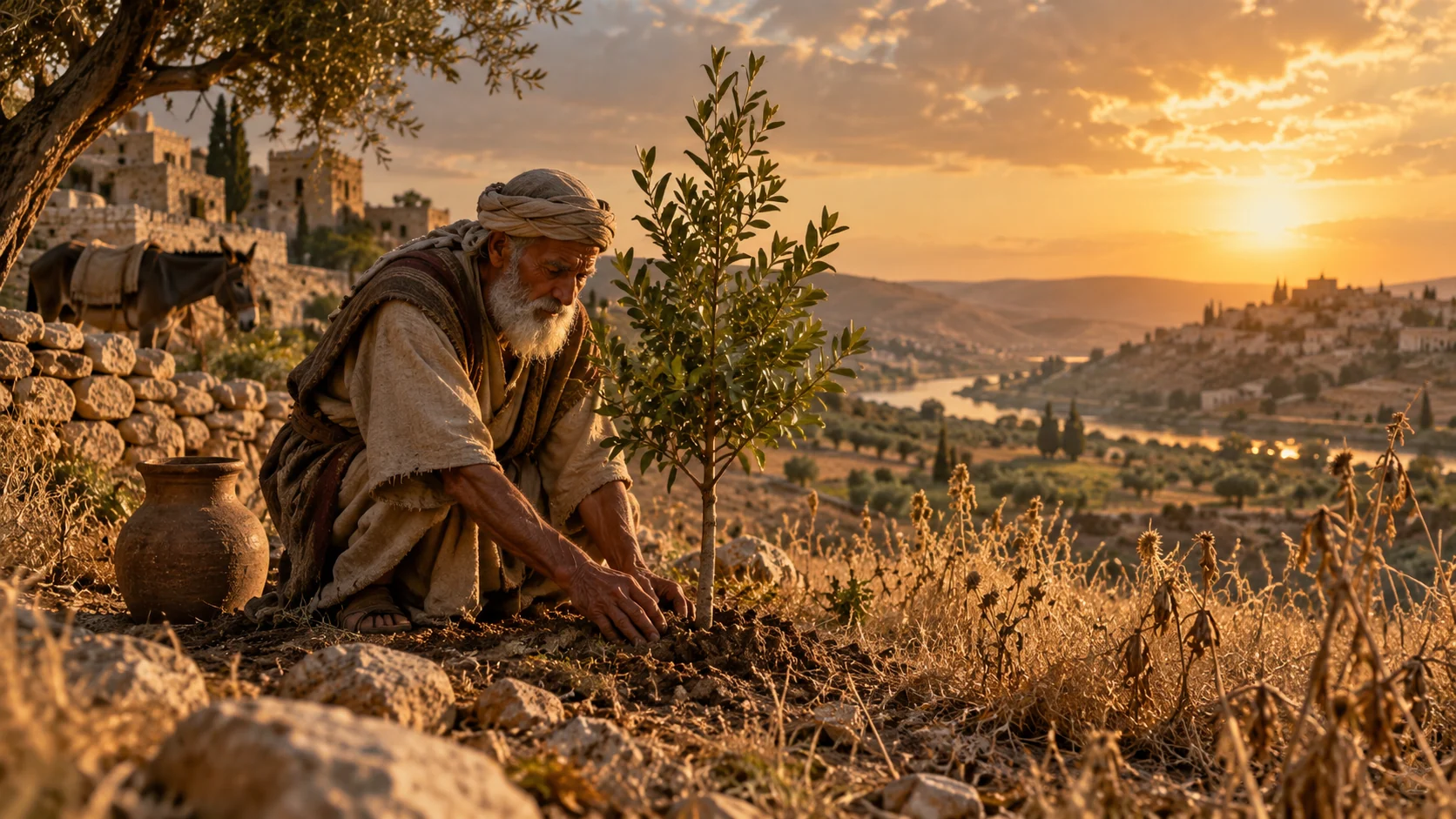
But delayed fruit is not a reason to stop planting.
Freedom is more than living without chains. It is learning to use the life we have received for love, truth, and the blessing of others.
Life Application: The Final Invitation
- Before closing this article, I want to invite you to do something.
- Do not end this journey merely appreciating its words.
- Take action.
- return to the article that affected you most. Perhaps it concerned identity, forgiveness, anger, fear, addiction, loneliness, or relationships. Read it again and identify an area that still requires attention.
- choose one action to complete within the next twenty-four hours. Make it specific and realistic.
- share your next step with a trustworthy person. Explain the area where you need support without feeling obligated to disclose unrelated private information.
- schedule reviews after thirty, sixty, and ninety days.
- You can write:
- My action within the next 24 hours is: _____________________
- A trustworthy person I can contact is: ____________________
- My first progress review date is: _________________________
- If your first step requires healthcare, protection from abuse, addiction treatment, or legal assistance, do not delay it because you believe prayer alone should solve the problem.
- As we pray, we also remain open to the wisdom of practical action.
- Do not wait until you feel strong enough to do everything. Begin with one manageable step, grounded in truth and grace.
Summary of the Journey: From Bondage to New Creation
The great biblical story provides the foundation for understanding our lives.
God created a good world and made human beings in his image.
Sin entered and damaged our relationships with God, one another, and creation.
God called Abraham and began the story of blessing for the nations.
He delivered Israel from Egypt and taught the people how to live as his own.
Through the prophets, he promised a greater restoration.
In Jesus Christ, God has begun fulfilling that promise in a remarkable way.
The cross opens the way for forgiveness and reconciliation. The resurrection announces Christ's victory over death. The Holy Spirit forms us into a renewed people.
Ahead of us lies the hope of Christ's return, resurrection, justice, and the new heaven and new earth where God will dwell with his people (Revelation 21:1–5).
That destination gives meaning to our present journey.
We do not bring the new creation to completion through our own strength.
But we learn to live now as people belonging to the King who will complete it.
Therefore, do not allow an old mistake to become your final identity.
Do not allow fear to become your master.
Do not use forgiveness to conceal wrongdoing.
Do not carry burdens alone when you need appropriate help.
And do not abandon what is good simply because its fruit has not yet appeared.
Christ is risen. The journey continues. And every faithful step can testify that your life is now being guided by a different King.
Final Questions for Reflection
- Throughout these fourteen articles, which biblical truth has most deeply changed the way I understand myself before God?
- Which part of my life still needs support, accountability, healing, or practical change?
- How will I live tomorrow in light of the truth I have received today, and who might be blessed through that step?
A Closing Prayer for the Journey
God of mercy, our heavenly Father,
Thank you for bringing me to the end of this stage of the journey.
You have known the places where I was hiding, the words I could not speak, and the pain I did not know how to describe.
Thank you for reminding me that my history does not have to become my final identity.
Thank you for Jesus Christ—for his cross, which reveals the seriousness of sin and the depth of your love, and for his resurrection, which declares that death and darkness will not have the final word.
Today I bring you everything that remains unfinished.
I bring the wounds that still hurt, the relationships that still need rebuilding, the fears I continue to face, and the habits that still require change.
Give me courage to keep speaking the truth.
Give me humility to ask for help before a situation becomes dangerous.
Give me wisdom to establish boundaries, accept responsibility, and receive medical treatment or counseling when needed.
When I stumble, do not let me rush into hiding. Help me return to you in repentance and take appropriate steps to repair the harm I have caused.
Rule over my thoughts, body, money, work, and relationships.
Plant me within a community marked by love, truth, and accountability without control.
Give me a heart that pulls a chair closer to the table for someone else, just as others once welcomed me.
Teach me to be faithful in small things.
Give me resurrection hope and eyes that can recognize signs of new creation even in difficult circumstances.
From this point forward, I choose to walk in truth, grace, accountability, community, and hope.
May every step I take, whether large or small, testify that Jesus is Lord.
In his name. Amen.
A Final Blessing
May the God of peace, who raised Jesus Christ from the dead, strengthen you for every good work.
May he protect you from the shame that drives people back into secrecy.
May he remind you of your dignity when others judge you only by your past.
May he surround you with trustworthy people who help you stand without controlling your life.
May he teach you to seek help before you fall, remain faithful in small things, and become a blessing to those who have been pushed to the margins.
And may the hope of his kingdom sustain you until the day when tears are wiped away, death is removed, and all things are made new.
The book closes. But the road continues. Keep walking in the freedom of Christ.
Amen.
Sources and References
- Mwakalindile, Enos. Kutembea Katika Uhuru: Safari ya Urejesho wa Maisha Katika Kristo [Walking in Freedom: A Journey of Restoration in Christ]. First edition, 2026. Final Conclusion of the Journey, and Chapters 1–14.
- The Holy Bible: Genesis 1–3; Exodus 12–20; Isaiah 65:17–25; John 8:31–36; 20:19–29; 21:15–19; Romans 6:1–14; 8:1–23; 1 Corinthians 15:20–28, 58; 2 Corinthians 5:14–21; Galatians 5:1, 13–25; Philippians 3:12–16; Hebrews 12:1–3; 13:20–21; Revelation 21:1–5; 22:1–5.
- Kutembea Katika Uhuru: Kitabu cha Mazoezi cha Safari ya Wiki 14 [Walking in Freedom: A Fourteen-Week Workbook] — a companion resource for applying and reviewing the journey.
Be the first to leave a comment.