

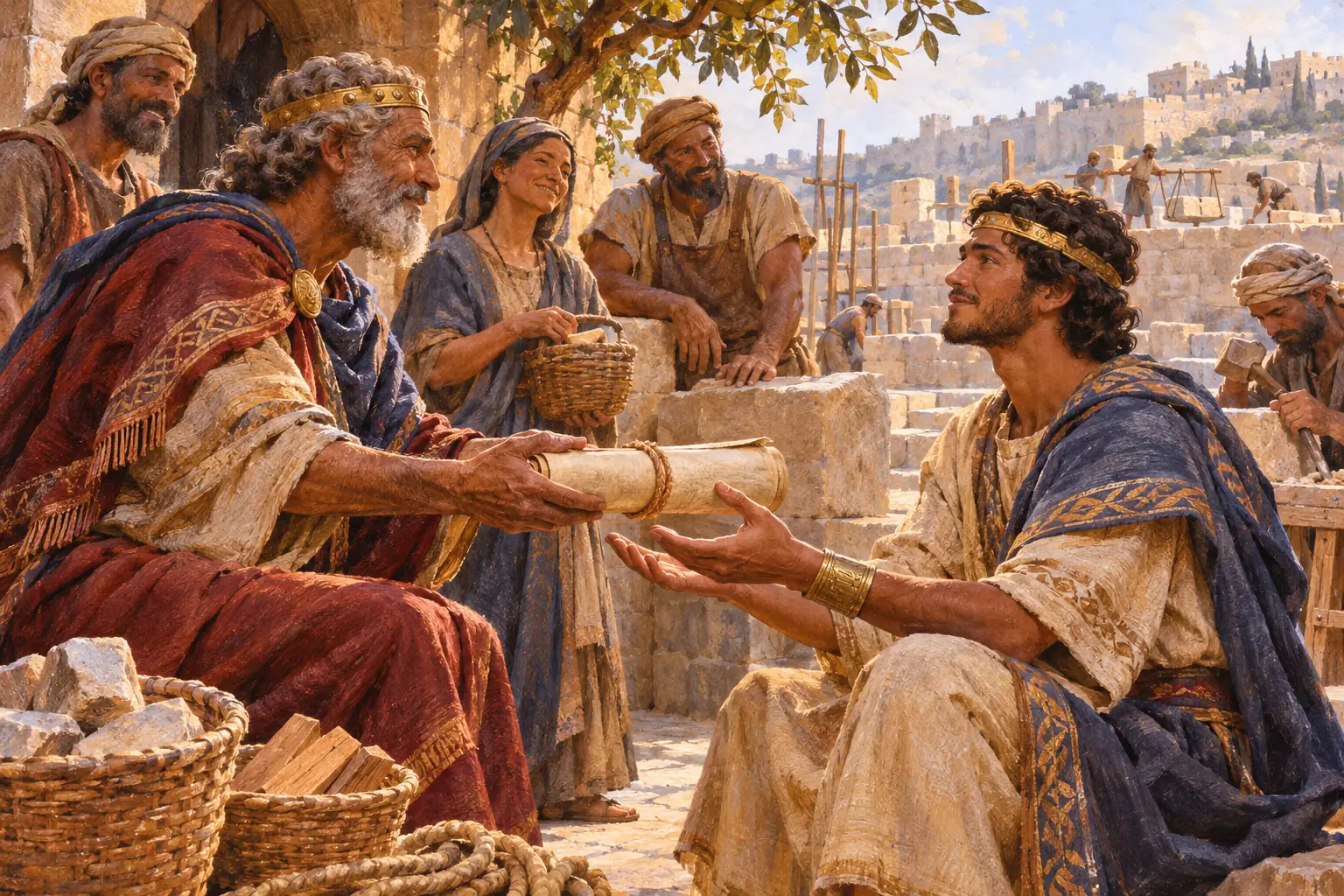
How can entrusting unfinished work become faithful, generous worship?
Study overview
Conclusion: an inheritance shaped by grace, service, and faithful entrusting
Key passages: 1 Chronicles 17:7–14; 21:16–30; 28:9–10; 29:10–19.
Conclusion: The Work Outlives the Builder
A farmer can plant a shade tree without living to enjoy the broadest branches. Planting still matters. First Chronicles closes with comparable open hands. David prepares materials, organizes servants, prays, and entrusts responsibility to Solomon. The temple remains unbuilt, yet preparation can already become wholehearted worship before God.
The journey began with Adam and passed through many remembered names. Now the crown changes hands. The closing message rests in God’s faithfulness and the responsibility of successive generations, rather than the permanence of a single leader. A teachable heart matters beyond a celebrated lifetime.
Memory Building a People
Chapters 1–9 locate a wounded community within God’s larger story. After exile, names connect households, responsibilities, and renewed settlement. Worshipers, gatekeepers, and servants of God’s house should not disappear behind the royal name. Faithful memory honors human lives rather than constructing a wall of inherited prestige.
The gathering of chapters 11–12 adds a further lesson: a community requires more than a leader’s reputation. Cooperation, food, trust, and shared responsibilities sustain public life. Congregational histories praising prominent leaders also need room for ordinary faithful workers.
Worship Willing to Receive Correction
The ark’s journey in chapters 13–16 places enthusiasm beside holiness. Uzzah’s death must not disappear beneath an easy account of celebration. David later acknowledges the failure to follow the appointed practice (15:13–15). Faithful authority does not turn good intentions into immunity from correction.
Song, Levitical shoulders, and gatekeeping meet within worship learning to listen. Respect for order must not become contempt for people; responsible practice should honor God and protect faithful service. Holiness cannot serve as institutional cover for cruelty.
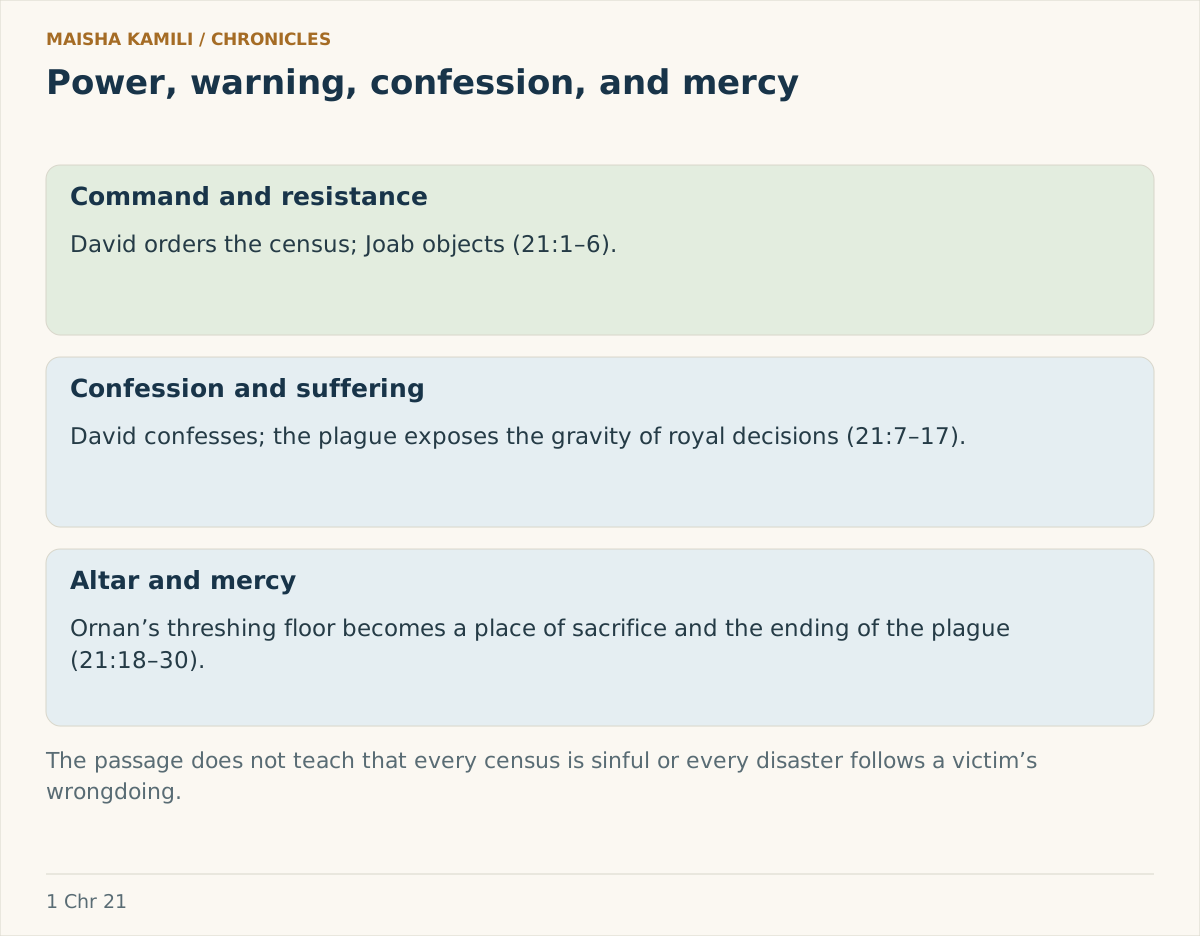
Visual reflection: When do numbers begin to displace dependence on God?
A House Founded in Grace
Chapter 17 reverses the expected arrangement. David proposes a house for God; God promises an enduring house for David. Grace does not begin after a king delivers an impressive project. Promise arises from the God calling a shepherd and sustaining the covenant people.
Royal dynasty, worship building, and gathered people belong together without becoming interchangeable. The temple serves worship; the dynasty carries promise; the community receives a calling to obedience. Confusing the categories allows a building to function as a substitute for God or a leader to claim exemption from scrutiny.
Chapter 21’s census breaks any portrait of a faultless king. David acknowledges responsibility instead of sheltering behind military numbers. Mercy at the threshing floor restrains catastrophe and prepares the altar site. Authority must reckon with the cost borne by people rather than merely count available human strength.
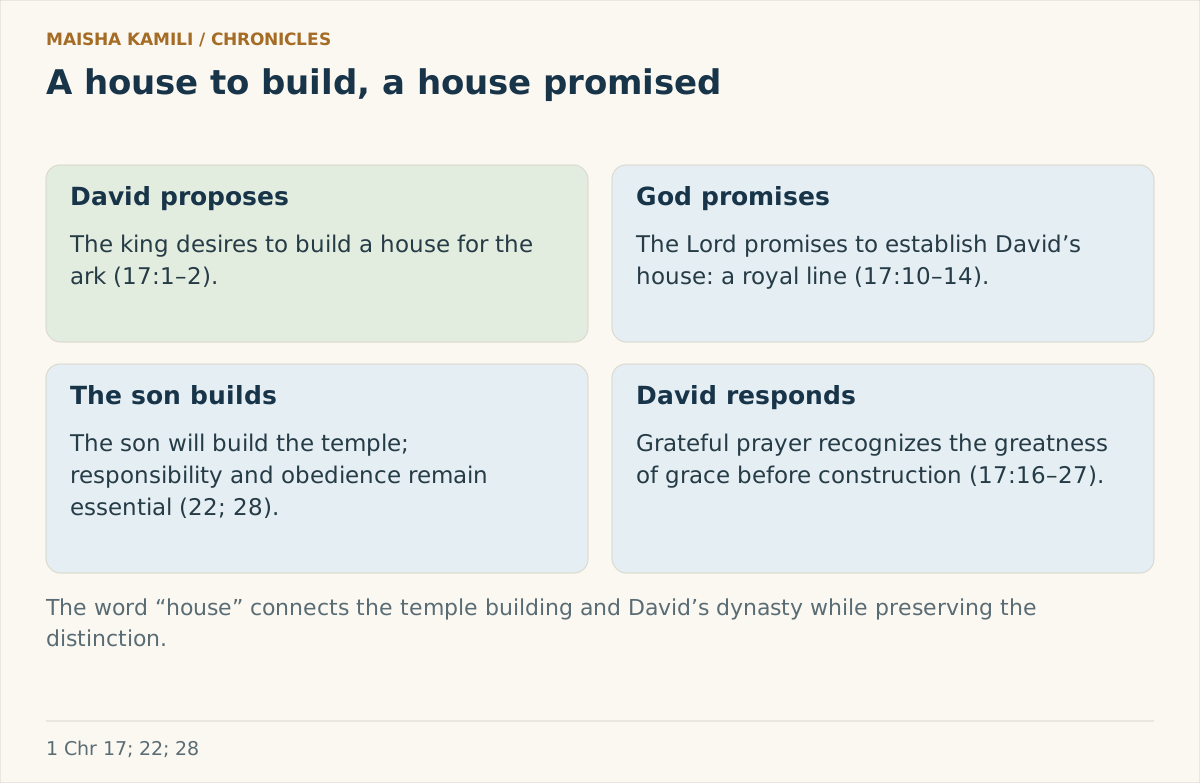
Visual reflection: How does God’s promise put human plans in perspective?
Entrusting without Ownership
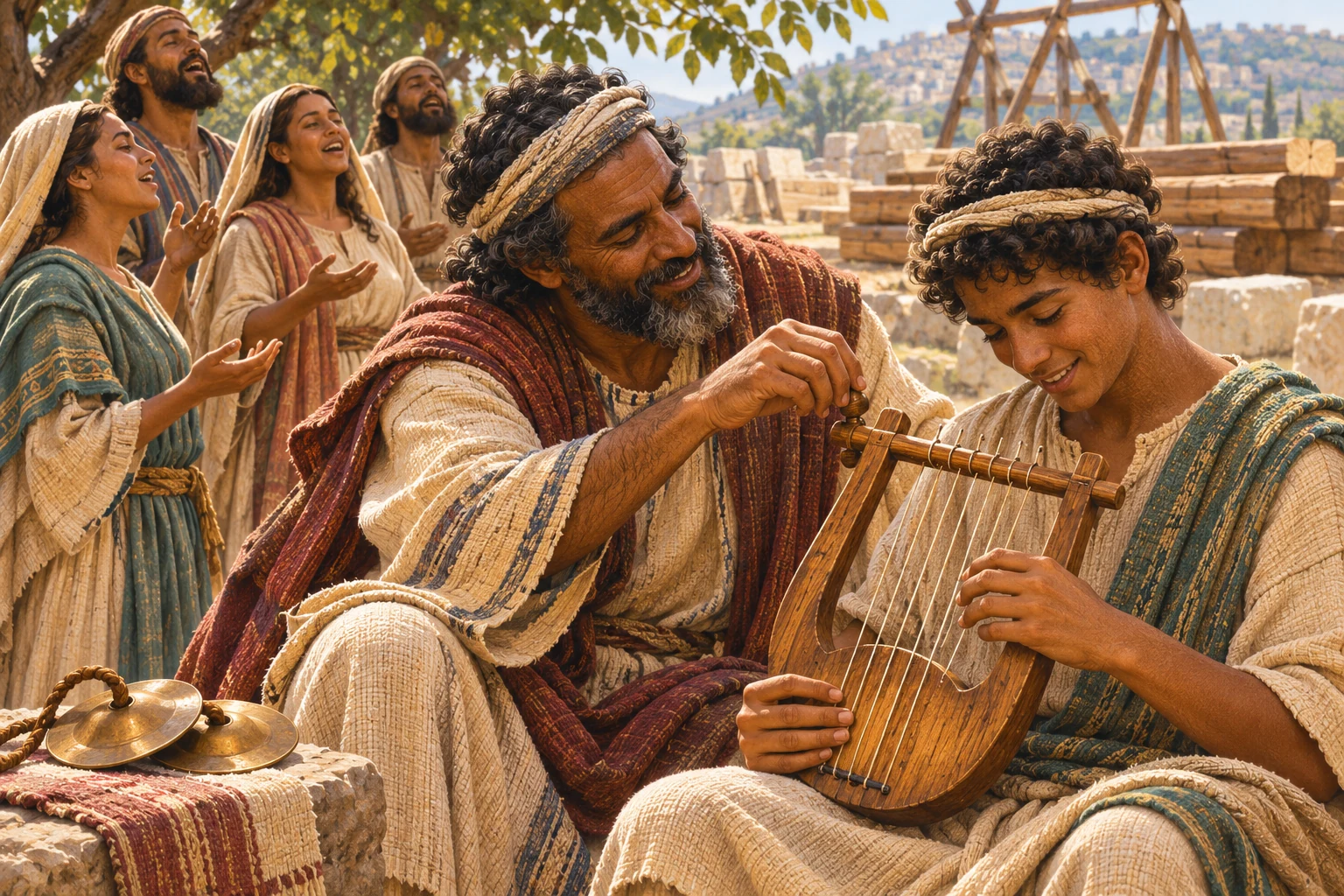
Chapters 22–29 prepare work beyond David’s lifetime. Solomon receives plans alongside a charge to seek God wholeheartedly (28:9–10). Architectural instructions cannot choose faithfulness on a successor’s behalf. Scripture, prayer, example, and accountability belong beside practical resources.
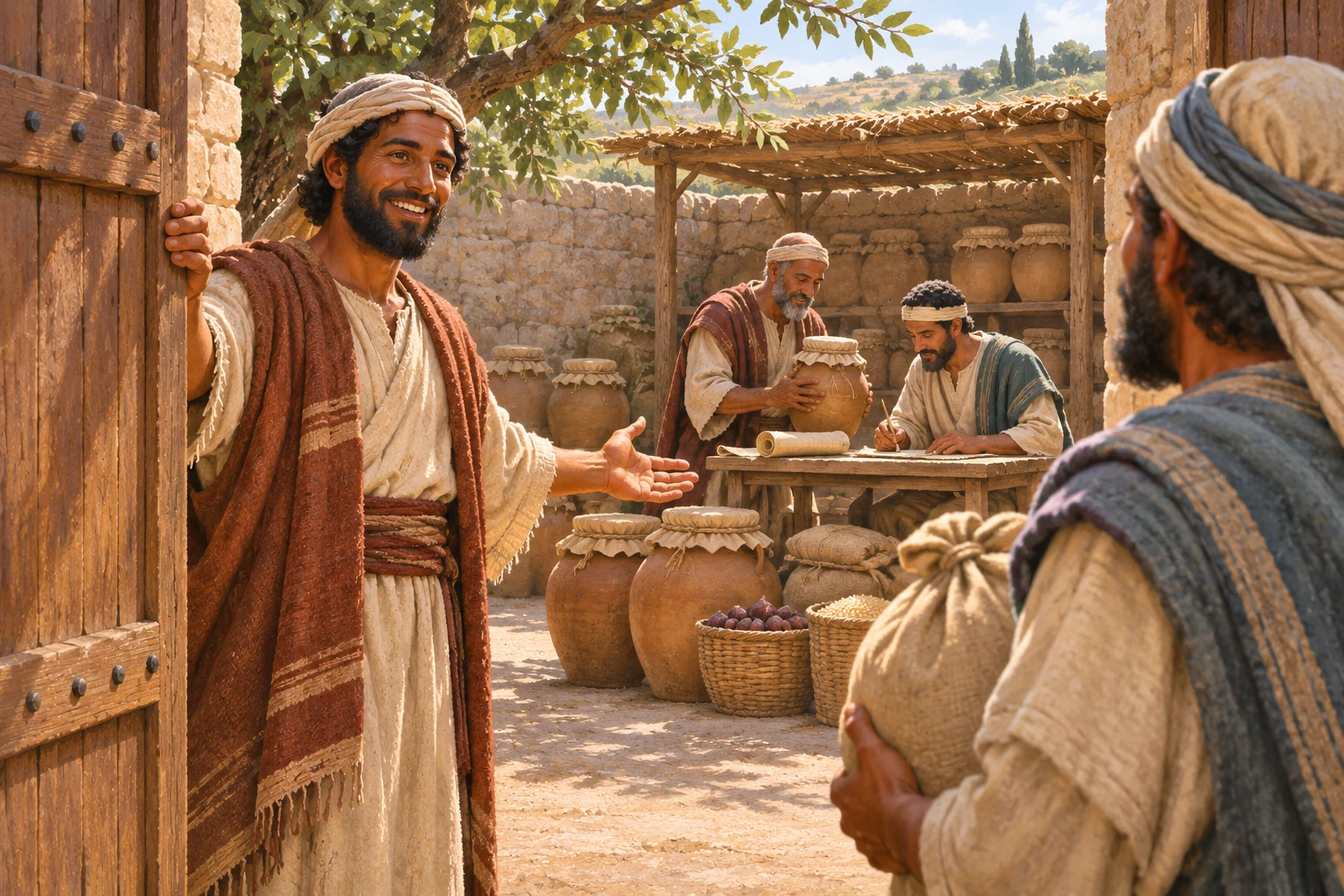
Levites, priests, singers, gatekeepers, treasurers, and administrators receive distinct responsibilities. Service should not become the private possession of a family or wealthy contributor. Chapter 29 presents willing, joyful generosity. David’s prayer returns praise to God: wealth and the capacity to give are entrusted gifts rather than claims of ownership over worship.
David dies and Solomon continues. The closing scene recognizes God’s work beyond the hands first preparing the project. Respectful entrusting expresses faith and does not erase the significance of a completed season of service.
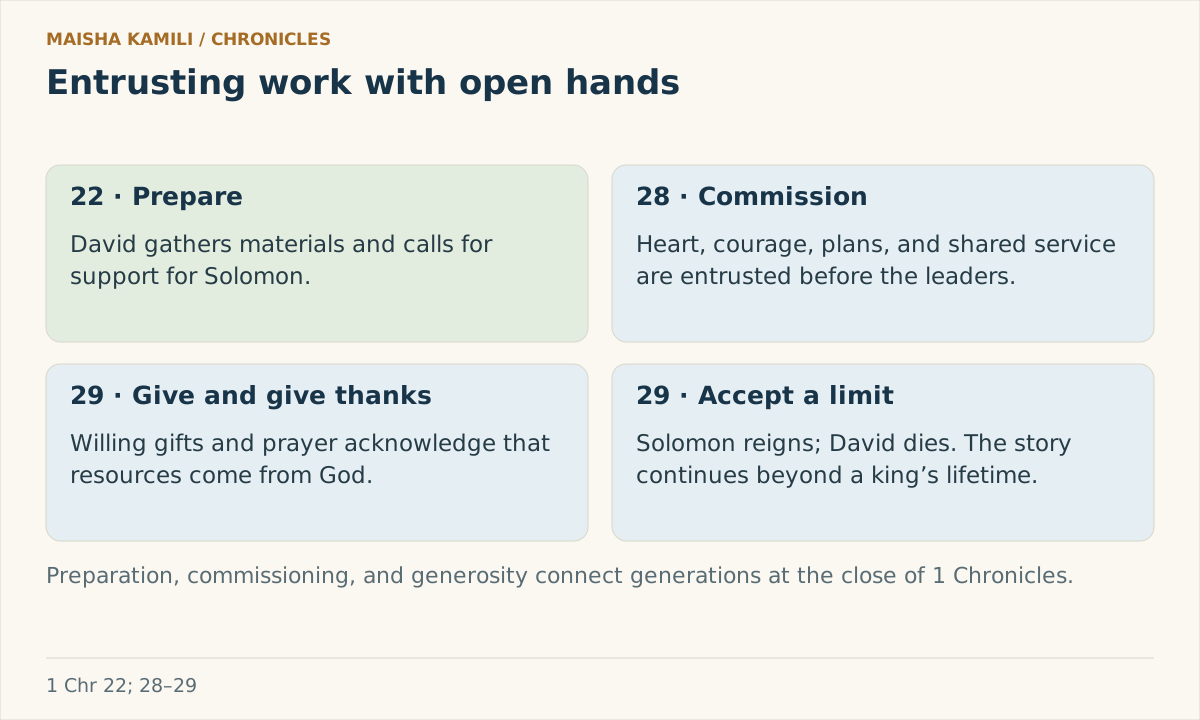
Visual reflection: What work can be faithfully entrusted to another generation?
The Horizon toward Christ
David receives promise without becoming the final fulfillment of hope. Jesus Christ, the faithful Son of David, expresses authority through obedient, loving service (Luke 1:32–33; Phil 2:5–11). Christological reading follows covenant, kingship, and divine presence rather than assigning a hidden prediction to every temple object.
Believers are built together into God’s dwelling through the Spirit (Eph 2:19–22). New creation extends the hope of God dwelling with humanity (Rev 21:1–4). A worthy inheritance is a community practicing justice, truth, repentance, and generous service. The next volume, Second Chronicles, will test house, crown, and heart through successive royal lives.
Life Application
- Write a history with many names. Recognize caregivers, workers, and ordinary members alongside public leaders.
- Repair distorted practice. Receive evidence of harm and establish transparent steps toward justice.
- Plan an inheritance of knowledge. Prepare records, training, and accountable opportunities for succession.
- Protect willing generosity. Publish clear accounts and refuse pressure to purchase honor or authority through donations.
- Pray for a successor’s heart. Join practical preparation with spiritual formation welcoming honest questions.
- Measure achievement through service. Examine safety, reconciliation, and human dignity alongside buildings and numbers.
Reflection Questions
- How can the community’s history recover the names of forgotten servants?
- How does faithfulness appear when a respected practice needs correction?
- How can authority and money remain entrusted resources rather than private ownership of ministry?
- How does preparation for succession protect conscience, questions, and accountability?
- How does hope for God’s dwelling reshape congregational priorities in society?
Response Prayer
God of grace, receive thanksgiving for generations of service. Heal histories concealing wounded lives. Strengthen courage for confession and repair. Give leaders hands willing to entrust, successors teachable hearts, and contributors joyful freedom. Through Jesus Christ, build an inheritance of justice, compassion, and faithfulness reaching beyond a single servant’s lifetime. Amen.
Annotated Bibliography
- Bible. 1 Chronicles 1–29, especially 15:13–15; 17:7–14; 21:16–30; 28–29. Primary evidence for worship, covenant, mercy, and succession.
- Bible. Luke 1:32–33; Philippians 2:5–11; Ephesians 2:19–22; Revelation 21:1–4. The Christian canonical horizon; connections do not require every ancient detail to function as a direct prediction.
- World English Bible. 1 Chronicles 17 and 1 Chronicles 29. Public-domain access to the primary passages.
- BibleProject. “Books of 1 & 2 Chronicles.” A reading aid connecting Davidic history with future hope.
- Crossway. “Introduction to 1–2 Chronicles.” Main literary movements and questions arising from a postexilic setting.
- OpenBible.info. Bible Geocoding. Location reference for teaching graphics; unverified routes and boundaries are not presented as established facts.
Be the first to leave a comment.