

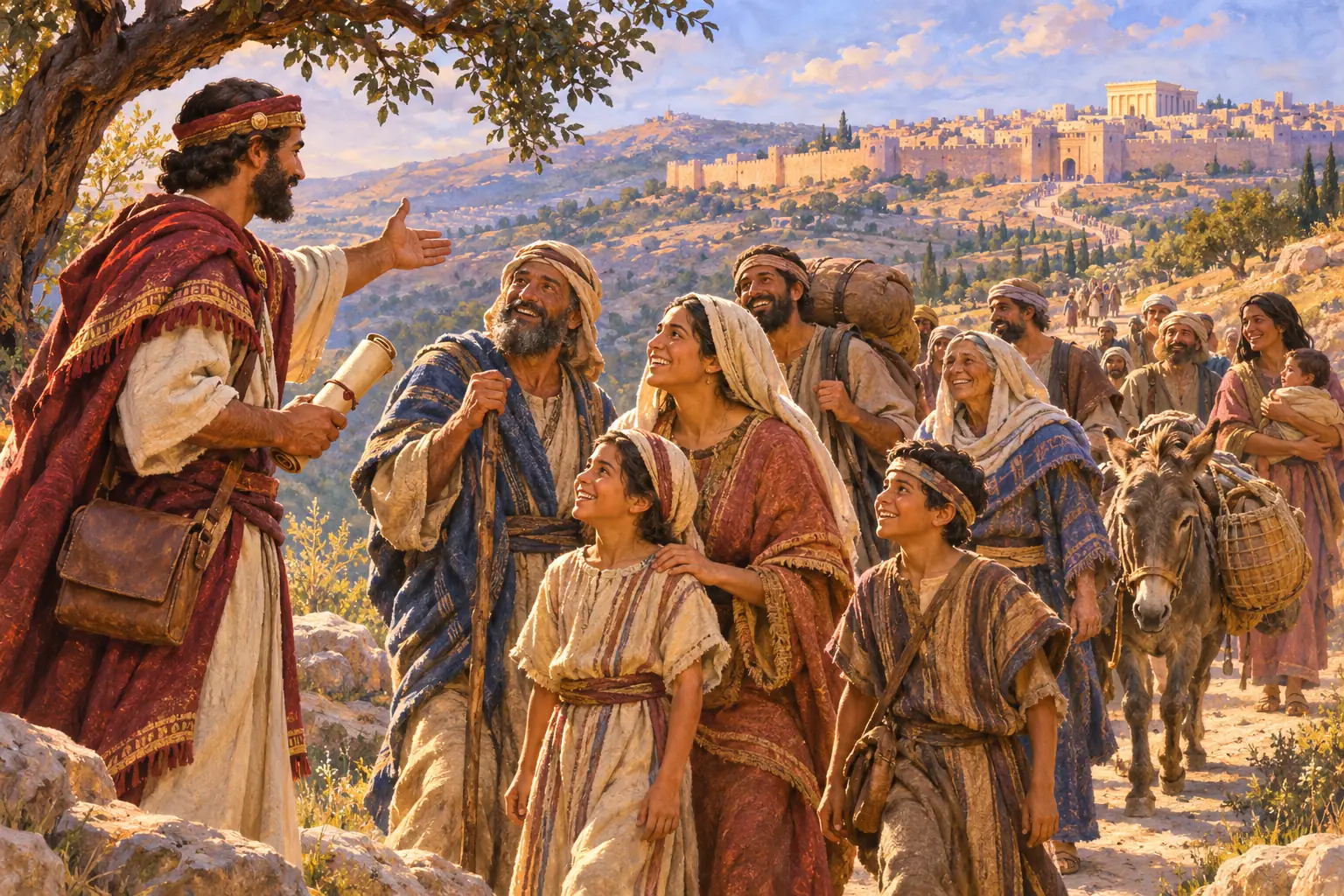
How can the Passover invitation nurture unity shaped by truth, holiness, and mercy?
Study overview
Across old borders, a royal letter travels. Some doors close in laughter; others open in humility. At the table of remembered deliverance, mercy gathers a scattered family again.
Passage: 2 Chronicles 30:1–27 Controlling metaphor: An invitation carried across the broken roads of a divided kingdom Heart-question: Can people wounded by division, neglect, and exile recover a shared identity by returning to the Lord?
Introduction: When the Invitation Crosses the Border
Old quarrels make familiar roads feel impassable. Neighbors become strangers; an invitation demands courage.
Hezekiah has reopened and cleansed the temple (2 Chr 29). Now the king sends messengers beyond Judah, inviting people throughout Israel to keep the Passover in Jerusalem. The letter neither erases old wounds nor denies the deeper story: the Lord who rescued Israel remains gracious to those who return.
This text is about a divided and wounded people becoming a worshiping community again through remembered redemption, humility, and God's forgiving mercy. Will old divisions prevent a faithful response?
Historical and Literary Context: The Festival of a Scattered Family
Writing for a postexilic community, the Chronicler emphasizes Hezekiah's restoration of worship (2 Chr 29–31): the sanctuary repaired, worshipers gathered, and ongoing service restored.
Passover remembers Israel's rescue from slavery (Exod 12:1–28; 13:3–10) and gathers worshipers at God's chosen sanctuary (Deut 16:1–8). The invitation recalls Israel's foundational identity.
Israel and Judah remain divided (2 Chr 10); Assyrian conquest and deportation deepen northern suffering (30:6–9; 2 Kgs 17). Yet all Israel, including northern survivors, receives an invitation. The account of this Passover, largely absent from the parallel presentation of Hezekiah in 2 Kings 18–20, serves the Chronicler's particular interest in worship, return, and covenant continuity (Sailhamer 1983; Japhet 1993).
Walking Through the Text
When the Calendar Makes Room for Return (30:1–5)
Hezekiah writes to all Israel and Judah, specifically naming Ephraim and Manasseh. The royal council and Jerusalem assembly agree to celebrate Passover in the second month because insufficient priests are consecrated and the people have not yet assembled. Renewal has begun, but the community is not fully prepared.
Ordinarily observed in the first month (Exod 12:2–6), Passover could occur in the second month for certain unclean or traveling individuals (Num 9:6–14). Hezekiah's wider circumstances differ, but postponement preserves the festival.
The proclamation runs from Beersheba to Dan—the old geographical language of a united Israel. A fractured map need not define covenant identity.
When a Letter Says, “Return” (30:6–9)
The letter calls people to return to the God of Abraham, Isaac, and Israel. Ancestors who were unfaithful brought desolation; the present generation must not become stiff-necked again.
The appeal demands concrete action: yield to God, enter the sanctuary, and serve the Lord. Repentance means abandoning rebellion rather than romanticizing the past.
The messengers also speak tenderly of relatives carried away by Assyria. Hezekiah expresses hope that, as the people return to God, captives may encounter compassion and come home (30:9). This covenant hope rests on God's mercy (Exod 34:6–7; Deut 30:1–5), without guaranteeing immediate reunion for every family.
When Mockery and Humility Stand on the Same Road (30:10–12)
The couriers pass through Ephraim, Manasseh, and Zebulun. Many laugh and mock. A rival kingdom's invitation may sound unwelcome.
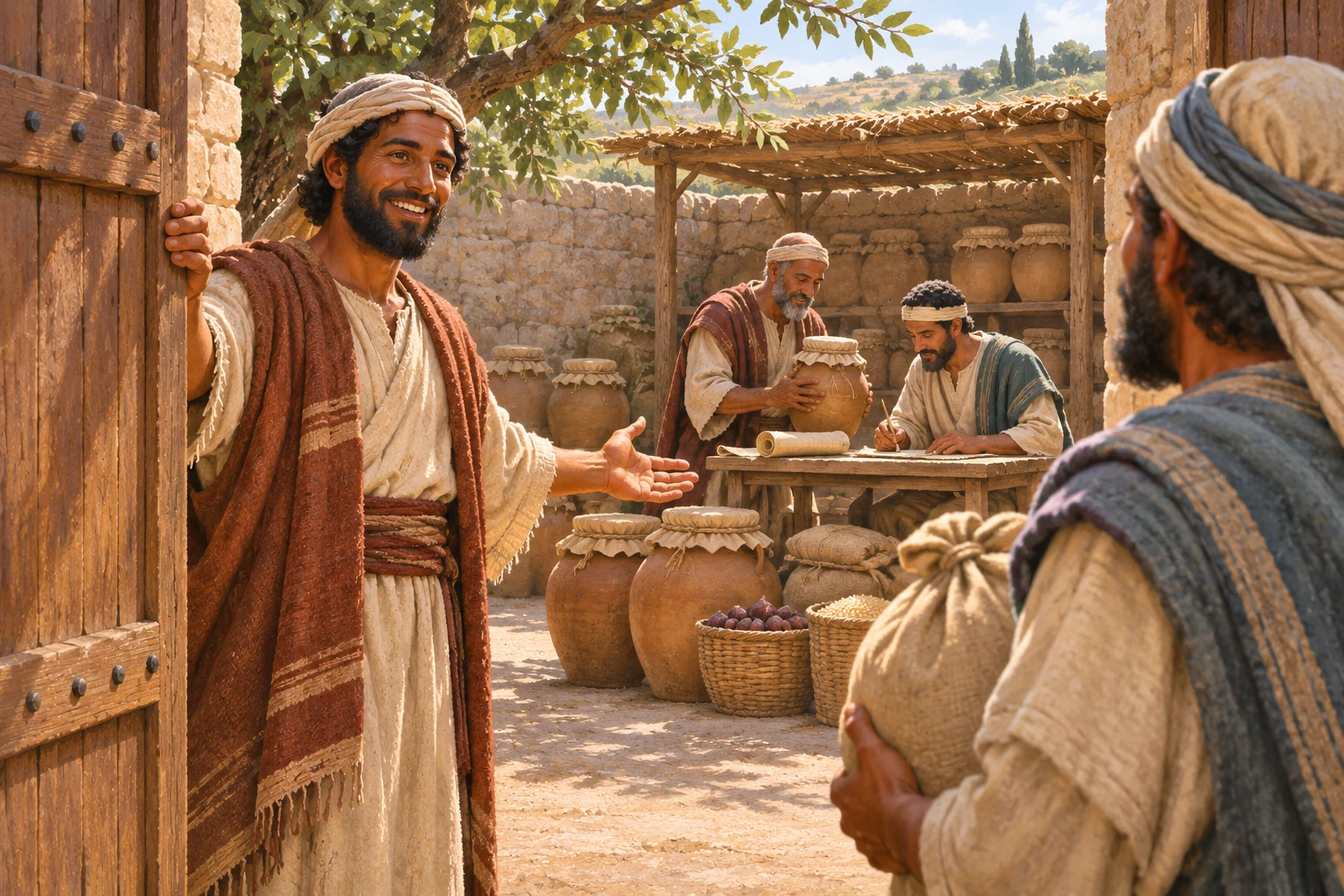
Yet some from Asher, Manasseh, and Zebulun humble themselves and travel to Jerusalem. The contrast is sharp: ridicule keeps old borders standing; humility crosses the road. Northern Israel is not uniformly rebellious.
In Judah, the hand of God gives the people one heart to follow the call (30:12). Unity begins with God's initiative, not merely royal persuasion; response remains voluntary. The real dividing line is not north versus south, but resistance versus humble seeking.
When Worship Requires Both Cleansing and Service (30:13–17)
A large congregation gathers in Jerusalem for the Feast of Unleavened Bread. The people throw illicit altars into the Kidron Valley. Repentance becomes public action.
On the fourteenth day of the second month, the Passover lambs are slaughtered. Priests and Levites, initially ashamed, consecrate themselves and resume the appointed work. Levitical service and sacrificial procedures follow Moses' instructions (30:15–17).
A serious problem remains: many participants have not become ritually clean. The Levites therefore assist with slaughtering the sacrifices for those unable to perform the task as prescribed. The Chronicler neither hides unpreparedness nor disregards holiness.
When a Sincere Heart Is Met by Mercy (30:18–20)
Many worshipers from Ephraim, Manasseh, Issachar, and Zebulun eat the Passover without the required purification. Hezekiah prays that the good Lord will pardon everyone whose heart is set on seeking God, despite the lack of prescribed ritual cleanness.
This prayer is the theological center. Ritual holiness matters; otherwise intercession would be unnecessary. Yet repentant worshipers find mercy without nullifying God's commands (Sailhamer 1983).
The Lord hears and heals the people (30:20). The text names no disease. God responds graciously to intercession, without endorsing careless worship.
When Seven Days Become Fourteen (30:21–27)
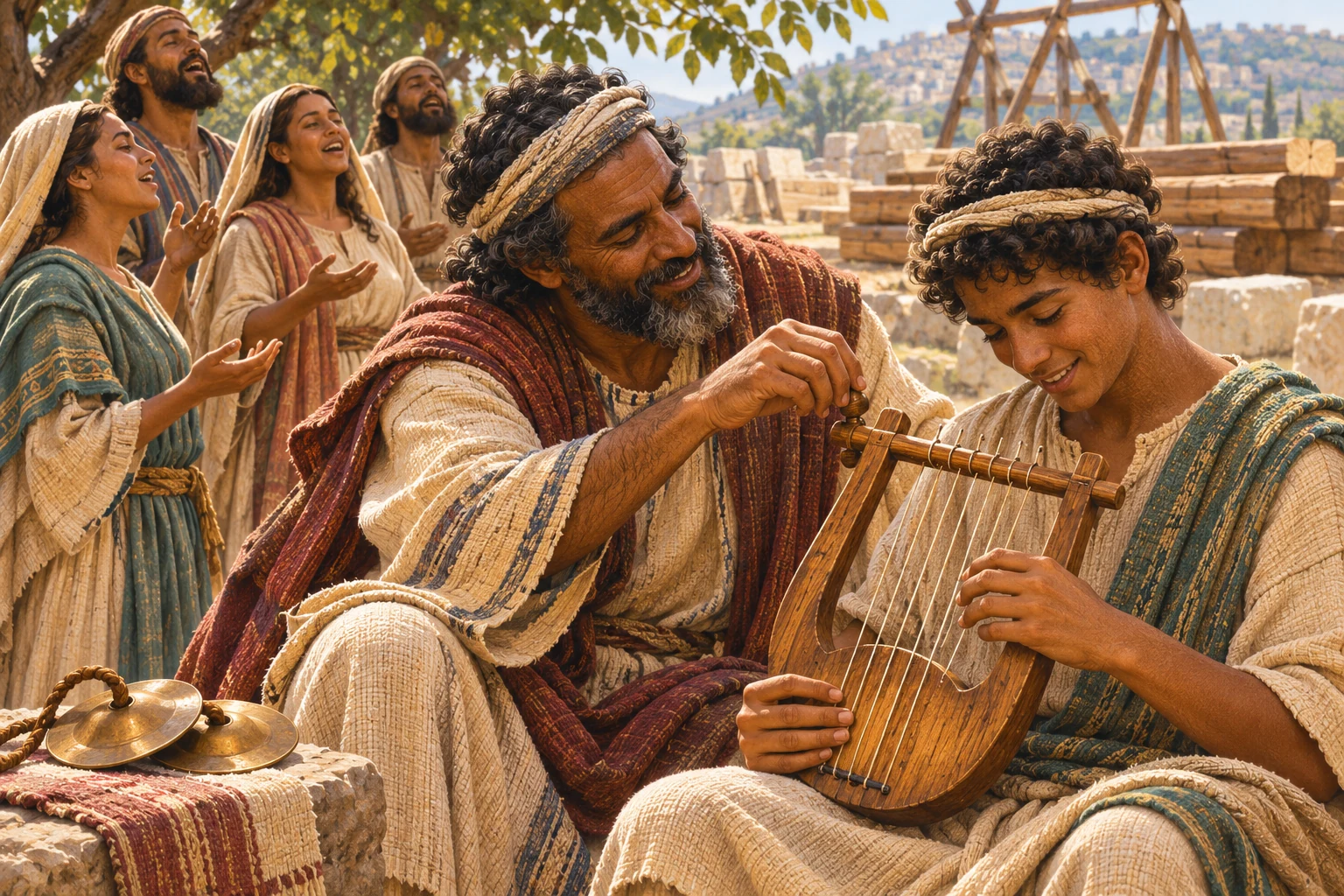
The people celebrate for seven days with sacrifices, praise, and the daily singing of priests and Levites. Hezekiah encourages the Levites who understand the Lord's service. Joy is sustained by prepared service.
The assembly agrees to remain seven more days. Hezekiah and the leaders contribute abundant livestock; more priests consecrate themselves. Those rejoicing include Judah, visitors from northern Israel, and resident foreigners (30:24–25). Shared worship becomes a visible sign that covenant life can welcome people beyond old political lines.
The Chronicler says Jerusalem has not known such joy since Solomon's days. Solomon's dedication (2 Chr 7) echoes in renewed praise. The priests and Levites bless everyone; prayer reaches God's dwelling in heaven (30:27). God is not confined to the restored temple (6:18–21).
Theological Reflection
Remembered Redemption Can Rebuild Communal Identity
Passover places Israel's identity in God's deliverance rather than in the strength of a king or the purity of a region (Exod 12; Deut 16). A fractured community finds common ground by remembering divine rescue. For a postexilic audience, that memory points toward worship after catastrophe and the possibility of return (Ezra 6:19–22). Reconciliation does not require forgetting injustice; it requires a more truthful center than old rivalries.
Returning to God Means Humility Made Visible
The repeated invitation to return and the contrasting responses of mockery and humility reveal the chapter's spiritual hinge (30:6–12). Seeking the Lord includes hearing difficult truth, traveling toward repaired worship, and abandoning rival altars (30:14). The gracious and merciful God of Exodus 34 remains the ground of hope; repentance is the fitting human response, not a payment that purchases compassion.
Holiness and Mercy Are Not Enemies
Hezekiah's prayer in verses 18–20 holds together reverence for God's commands and concern for imperfect but sincere worshipers. Christian readers recognize a fuller mediation in Jesus Christ, the Passover Lamb, through whom believers approach God with cleansed hearts (1 Cor 5:7–8; Heb 10:19–22). Grace must never excuse exploitation or careless leadership; grace makes confession, cleansing, and genuine participation possible.
The Table Anticipates a Wider Gathering
Northern survivors, Judahites, Levites, priests, and foreigners rejoice together (30:25). The scene anticipates the prophetic hope of a house of prayer welcoming people from many nations (Isa 56:6–8). In Christ, former strangers are brought near and built together into God's dwelling (Eph 2:13–22). The Chronicler's vision is not the erasure of difference by political force, but a people gathered around the God who hears.
Life Application: Carry the Invitation Beyond the Old Border
- Send an honest invitation. Approach an estranged family member or another congregation without denying past injuries; name a concrete opportunity to listen, pray, or rebuild trust (30:1–6).
- Make repentance practical. Identify an unjust practice, misused resource, or harmful habit and remove it rather than replacing confession with a celebratory event (30:7–8, 14).
- Refuse the easy laugh. When a call to change feels uncomfortable, examine the message before mocking the messenger; welcome correction from outside familiar circles (30:10–11).
- Prepare without excluding the repentant. Train worship leaders and practice responsible safeguarding, while offering patient guidance to newcomers who do not yet understand church customs (30:15–20).
- Pray for divided households. Name families separated by conflict, migration, imprisonment, or displacement; combine prayer with practical support and truthful expectations (30:9, 18–20).
- Provide for shared celebration. Make gatherings accessible to financially vulnerable members and visitors; assign resources transparently so fellowship does not favor the wealthy (30:23–25).
- Turn festival joy into continuing faithfulness. Establish teaching, pastoral visits, reconciliation processes, and accountable service after a major event; follow the worship of chapter 30 into the reforms of chapter 31.
Reflection Questions
- Which old border of resentment still prevents a necessary invitation or conversation?
- Are neglected people welcomed into worship, or expected to arrive already knowing every custom?
- What rival altar must be removed before our celebration can become truthful?
- When confronted with uncomfortable repentance, do we respond with ridicule or humility?
- What enduring practices will preserve the unity and generosity of a joyful gathering?
Response Prayer
Lord of Abraham, Isaac, and Israel, send mercy along the roads that division has broken. Open hearts hardened by mockery; teach courage to people afraid of returning. Remove the rival altars of pride, hostility, and exclusion. Prepare those who lead worship, and welcome repentant people who arrive with unfinished stories. Hear the prayers of separated families, heal the wounds of the community, and restore gladness without hiding truth. Through Jesus Christ, our Passover and our peace, gather strangers into one grateful household. Amen.
Window into What Comes Next
The festival ends, but renewal must not remain a memory of fourteen remarkable days. 2 Chronicles 31 follows the worshipers into the towns and fields, where rival shrines are dismantled and priests and Levites receive support for sustained service. The invitation has brought a people together. Will the joy of return become the ordinary discipline of covenant faithfulness?
Annotated Bibliography
- Dillard, Raymond B. 2 Chronicles. Word Biblical Commentary 15. Waco, TX: Word Books, 1987. Examines the literary shaping of Hezekiah's Passover and the emphasis on a restored Israel.
- Hill, Andrew E. 1 & 2 Chronicles. NIV Application Commentary. Grand Rapids: Zondervan, 2003. Connects covenant renewal, liturgical preparation, and communal application.
- Japhet, Sara. I & II Chronicles: A Commentary. Old Testament Library. Louisville: Westminster John Knox, 1993. Illuminates the Chronicler's inclusion of northern Israelites within the continuing covenant story.
- Klein, Ralph W. 2 Chronicles: A Commentary. Hermeneia. Minneapolis: Fortress, 2012. Provides close textual discussion of Passover observance, priestly purity, and Hezekiah's prayer.
- Sailhamer, John. First and Second Chronicles. Everyman's Bible Commentary. Chicago: Moody Press, 1983. Highlights the invitation to surviving northerners and the priority of a heart rightly directed toward God.
- Williamson, H. G. M. 1 and 2 Chronicles. New Century Bible Commentary. Grand Rapids: Eerdmans, 1982. Situates the festival within the themes of temple-centered worship and all-Israel continuity.
Be the first to leave a comment.