

How do reopened worship doors call for repentance and repair before renewed singing?
Study overview
The hinges move where silence ruled. Dust leaves the sanctuary; old lamps await their flame. Before a wounded people can sing again, the house must be made ready for the Lord.
Passage: 2 Chronicles 29:1–36 Controlling metaphor: Reopened temple doors and rekindled lamps Heart-question: What must a community confess, cleanse, and restore when inherited neglect has silenced its worship?
Introduction: When the Doors Have Been Closed Too Long
A neglected house tells a story. Broken hinges and unlit lamps reveal neglected responsibilities.
Ahaz closed the temple doors and multiplied rival altars (2 Chr 28:24–25). Hezekiah, Ahaz's son, begins a different story. The new king first opens the Lord’s house. But worship requires cleansing, confession, prepared ministers, sacrifice, and song.
This text is about inherited spiritual neglect becoming communal renewal through repentance, consecration, and the restoration of worship. Can hearts that turned away learn to face the Lord again?
Historical and Literary Context: Returning from the Darkness
Second Chronicles 29 begins the extended account of Hezekiah's reign (chapters 29–32). Writing after exile, the Chronicler centers temple worship, covenant memory, and return. Following Ahaz's destructive reign, Hezekiah provides a dramatic contrast (28:22–25; 29:2–3).
Second Kings 18–20 emphasizes Hezekiah's wider reign, reform, and Assyrian crisis. Chronicles gives remarkable space to temple cleansing (29), a Passover for a wider Israel (30), and priestly and Levitical service (31). The narrative portrays a people gathered again around God (Sailhamer 1983; Japhet 1993).
This renewal recalls tabernacle consecration (Exod 29; 40), priestly holiness (Lev 8–10), and David's ordering of singers and Levites (1 Chr 15–16; 23–25). Hezekiah's work also prepares the invitation to all Israel in chapter 30. The reopened house will welcome returning worshipers.
Walking Through the Text
When the First Act of Government Opens a Door (29:1–4)
Hezekiah takes the throne at twenty-five and rules for twenty-nine years. The Chronicler measures the king against David: Hezekiah does what is right before the Lord (29:1–2). Worship, not spectacle, defines the comparison.
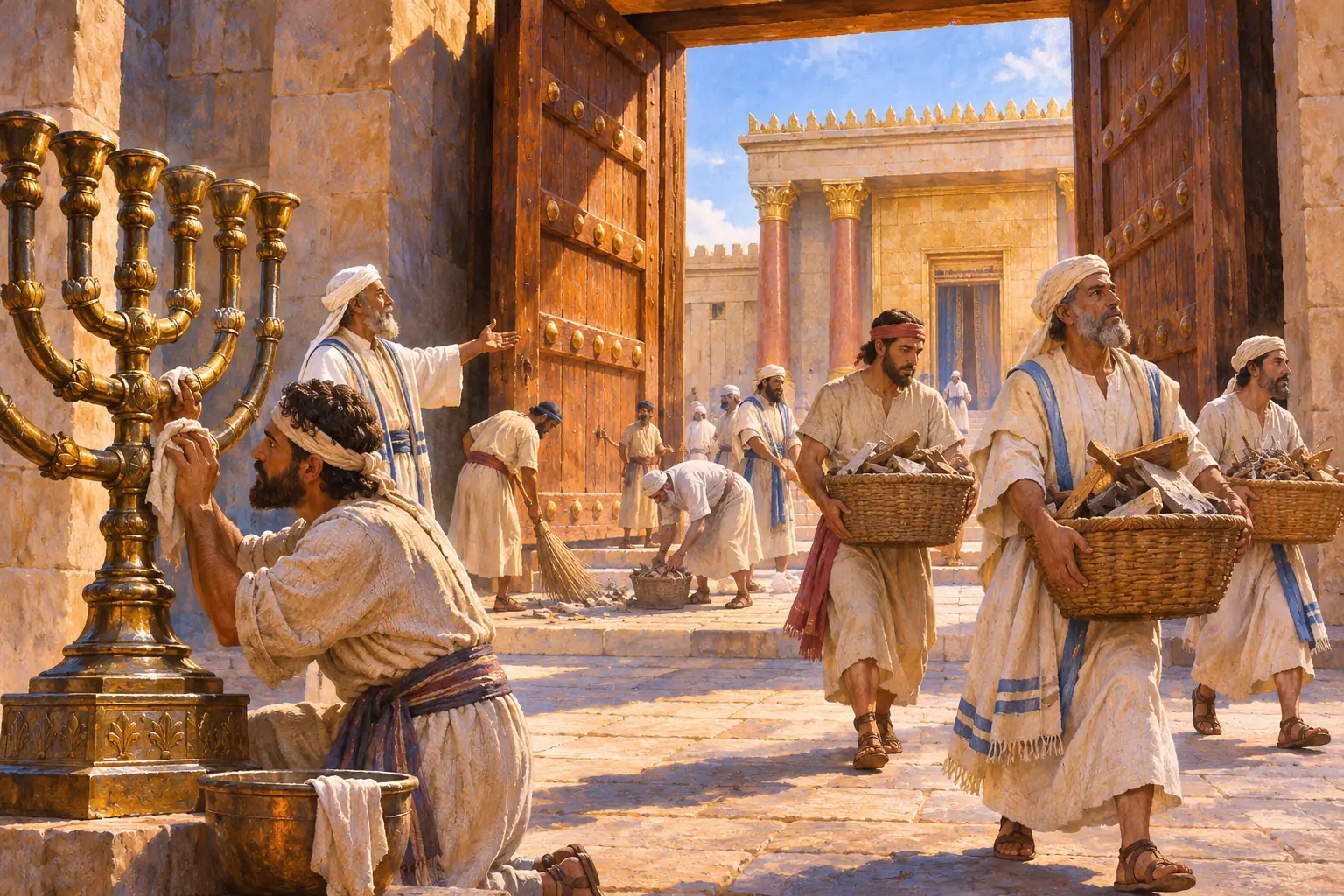
In the first year, first month, Hezekiah opens and repairs the temple doors. Reform does not wait for comfort. Priests and Levites gather in the eastern square, where neglected service will be confronted publicly.
The doors are both literal and theological. Ahaz had blocked worship; Hezekiah restores access. But renewal requires communal responsibility.
When a King Names the Darkness (29:5–11)
Hezekiah commands the Levites to consecrate themselves and cleanse the Lord's house. Then the king names the offense: previous generations forsook God, turned their faces away from the sanctuary, extinguished lamps, and neglected incense and offerings (29:5–7).
The words faces and backs expose deliberate covenant abandonment. Hezekiah connects that unfaithfulness with defeat, captivity, and communal distress (29:8–9). This national judgment does not make every sufferer personally guilty.
Hezekiah proposes renewing the covenant and addresses the ministers as those chosen to serve the Lord (29:10–11). Confession becomes an urgent call to responsibility.
When the Refuse Is Carried into the Valley (29:12–19)
The Chronicler names Levites from the families of Kohath, Merari, Gershon, Elizaphan, Asaph, Heman, and Jeduthun. Renewal calls named people to practical service.
The ministers gather coworkers, consecrate themselves, and cleanse according to the Lord's word. Priests enter the inner sanctuary and carry impurities into the court; Levites take the discarded material outside to the Kidron Valley (29:15–16). Their roles honor sacred boundaries.
The process takes time: begun on the first day of the first month, the work reaches the porch on the eighth day and ends on the sixteenth (29:17). Restoration requires care. The workers report that the altar, bread table, utensils, and objects damaged or rejected by Ahaz have been prepared and consecrated (29:18–19).
Desecration must be identified, removed, and repaired.
When the Altar Bears the Burden of Return (29:20–24)
Hezekiah rises early, gathers city officials, and brings offerings for the kingdom, the sanctuary, and Judah. Seven bulls, seven rams, seven lambs, and seven male goats are presented (29:20–21). The priests perform the prescribed rites, applying blood at the altar and presenting purification offerings (29:22–23).
The king orders atonement and offerings on behalf of all Israel (29:24). Even before chapter 30, covenant memory reaches beyond Judah toward divided Israel.
Ancient sacrifices express the seriousness of sin and the necessity of reconciliation with a holy God (Lev 4; 16). Repentance demands an honest reckoning with guilt. Christians read these sacrificial patterns in light of Christ's once-for-all offering (Heb 9:11–14; 10:10–14), without reproducing Israel's animal sacrifices.
When the Song Returns to the Sacrifice (29:25–30)
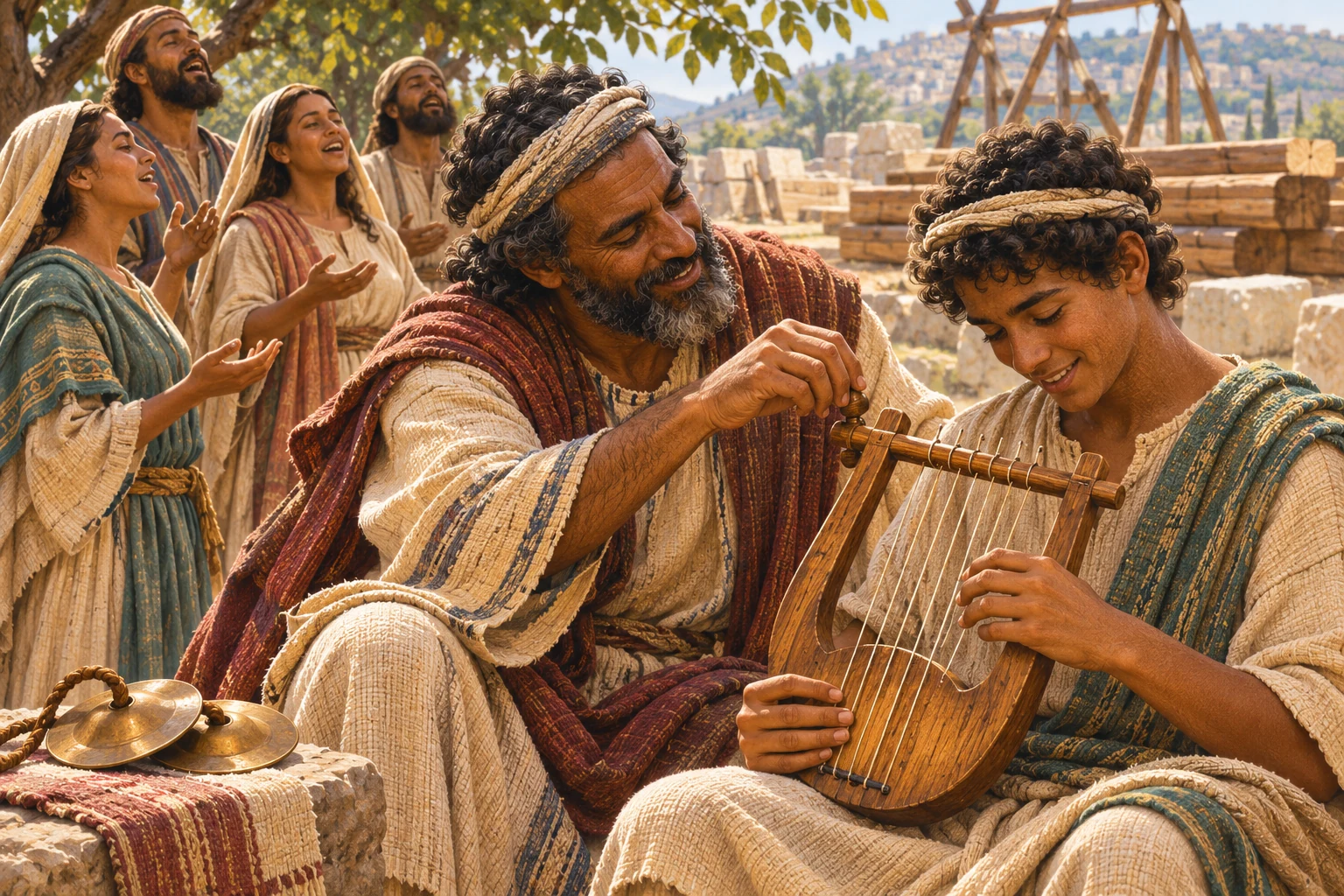
Hezekiah places Levites with cymbals, harps, and lyres, and priests with trumpets, according to the instructions associated with David, Gad, and Nathan (29:25–26). Worship follows remembered covenant order.
When the burnt offering begins, the song begins. Trumpets sound while the assembly bows. At the conclusion, Hezekiah and the officials ask the Levites to praise the Lord using the words of David and Asaph. The people sing gladly and bow again (29:27–30).
Song does not erase the preceding confession or cleansing. Praise rises after neglected duties are faced and sacred service restored. Worship cannot substitute excitement for truth, reconciliation, and holiness.
When Willing Hearts Outrun Prepared Hands (29:31–36)
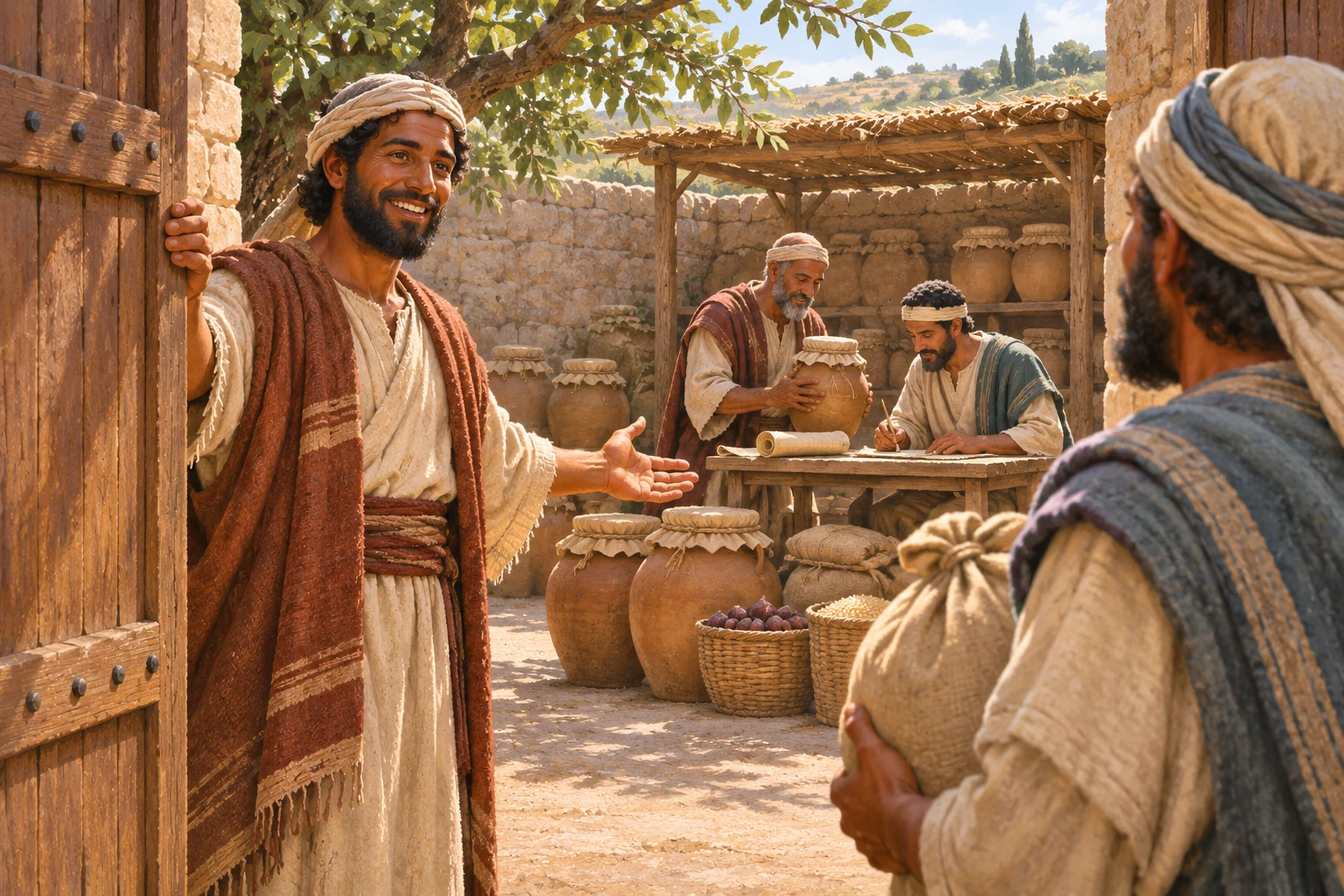
Hezekiah invites the people to bring sacrifices and thank offerings. Those with willing hearts respond generously (29:31). The numbers of offerings are large. Yet a practical problem emerges: too few priests are ready to prepare all the burnt offerings. Levites assist until more priests have consecrated themselves (29:32–34).
The narrator's assessment is surprising: the Levites show greater readiness of heart in consecration than the priests (29:34). Official title does not automatically mean spiritual preparedness. Genuine reform requires humility even among those appointed to lead worship.
Temple service resumes, and the people rejoice. God has prepared the people, and the change has happened unexpectedly quickly (29:35–36). The suddenness does not cancel sixteen days of labor. Grace awakens obedient action.
Theological Reflection: A House Ready for the Lord
Repentance Begins by Naming What Was Neglected
Hezekiah refuses to disguise covenant failure as ordinary wear and tear (29:5–9). The extinguished lamps and closed doors testify to deliberate abandonment. Biblical repentance involves truthful acknowledgment, turning around, and repairing what human actions have damaged (Prov 28:13; Isa 1:16–17). Institutional apologies without changed practice leave the old darkness undisturbed.
Holiness Requires Both Boundaries and Shared Labor
Priests and Levites perform differentiated tasks, but both groups participate in cleansing (29:12–19). The Chronicler honors singers, workers, and named families. Sacred leadership should not produce privilege without responsibility. Holiness orders service toward God while mobilizing the entire community for faithful work (1 Chr 23–26).
Forgiveness and Praise Belong Together
Sacrifices precede the returning song (29:20–30). The connection matters: praise does not replace dealing honestly with sin. In the wider biblical story, Christ offers the decisive cleansing and opens access to God (Heb 10:19–22). Therefore Christian worship should join gratitude with confession, restored relationships, and costly reconciliation, not merely heightened emotion.
Renewal Is God's Gift and a Community's Responsibility
The workers labor for sixteen days; the people give willingly; the Levites help where priests are unprepared. Still, the narrator credits God's preparation of the people (29:36). Grace does not make effort unnecessary; grace makes faithful response possible (Phil 2:12–13). Hezekiah's renewal is real, but the later history warns against assuming one glorious season guarantees permanent obedience (2 Chr 32:25–26).
Life Application: Open the Doors and Restore the Light
- Name the locked doors. Identify neglected prayer, Scripture teaching, pastoral care, safeguarding, or fair administration; resist polite language that hides harm (29:5–7).
- Begin with leaders' consecration. Invite ministers and committee members to examine integrity, conflicts of interest, and willingness to receive correction before launching public programs (29:5, 15).
- Carry the refuse outside. Remove harmful practices, restore misused funds, address abuse safely, and make restitution where possible; do not mistake cosmetic changes for cleansing (29:16–19).
- Honor ordinary workers. Equip cleaners, musicians, teachers, caregivers, and administrators; make responsibilities clear and provide resources rather than assuming voluntary service requires no support (29:12–16).
- Reconnect worship with reconciliation. Pair songs and sermons with confession, repair of relationships, justice, and appropriate help for those harmed (29:20–30).
- Welcome willing participation. Make financial giving transparent and voluntary; prepare enough trained people to steward renewed ministry without exhaustion (29:31–34).
- Celebrate without declaring victory too early. Thank God for genuine progress, then establish practices of accountability, teaching, and care that outlast an inspiring occasion (29:35–36).
Reflection Questions
- Which doors of worship, care, or justice have been quietly closed in our community?
- What neglected wrongdoing needs truthful confession rather than a fresh coat of religious paint?
- Who is prepared to carry out the uncelebrated work of cleansing and repairing?
- Does congregational singing arise from a life of reconciliation, or conceal resistance to correction?
- What shared disciplines will keep the lamps burning after the excitement of renewal fades?
Response Prayer
Lord of the house and Lord of mercy, open the doors that neglect and fear have shut. Give courage to name abandoned duties, hands willing to carry away the refuse, and hearts ready to receive correction. Cleanse the worship of our congregations from empty performance. Restore honesty to leadership, dignity to service, and justice to wounded neighbors. Let praise rise again from people reconciled to God and committed to one another. Through Jesus Christ, the faithful Son of David and the greater temple, keep the lamp of covenant hope burning. Amen.
Window into What Comes Next
The temple doors stand open; offerings rise, and the singers have recovered the melody. But renewal cannot remain inside Jerusalem's walls. In 2 Chronicles 30, Hezekiah sends invitations throughout Judah and Israel to celebrate Passover together. Some respond with ridicule; others humble themselves and return. Will a people divided by generations of failure accept the invitation to come home?
Annotated Bibliography
- Dillard, Raymond B. 2 Chronicles. Word Biblical Commentary 15. Waco, TX: Word Books, 1987. Examines Hezekiah's reform and the literary emphasis on temple worship and covenant identity.
- Hill, Andrew E. 1 & 2 Chronicles. NIV Application Commentary. Grand Rapids: Zondervan, 2003. Connects the organization of sacred service with contemporary responsibilities of communal faithfulness.
- Japhet, Sara. I & II Chronicles: A Commentary. Old Testament Library. Louisville: Westminster John Knox, 1993. Illuminates the Chronicler's presentation of Hezekiah and the distinctive theological emphasis on restoration.
- Klein, Ralph W. 2 Chronicles: A Commentary. Hermeneia. Minneapolis: Fortress, 2012. Provides detailed textual and historical analysis of temple rededication and priestly and Levitical roles.
- Sailhamer, John. First and Second Chronicles. Everyman's Bible Commentary. Chicago: Moody Press, 1983. Emphasizes the contrast between Ahaz's closed temple and Hezekiah's priority of renewing worship.
- Williamson, H. G. M. 1 and 2 Chronicles. New Century Bible Commentary. Grand Rapids: Eerdmans, 1982. Situates the reform within covenant memory, Davidic worship traditions, and the postexilic interests of Chronicles.
Be the first to leave a comment.